

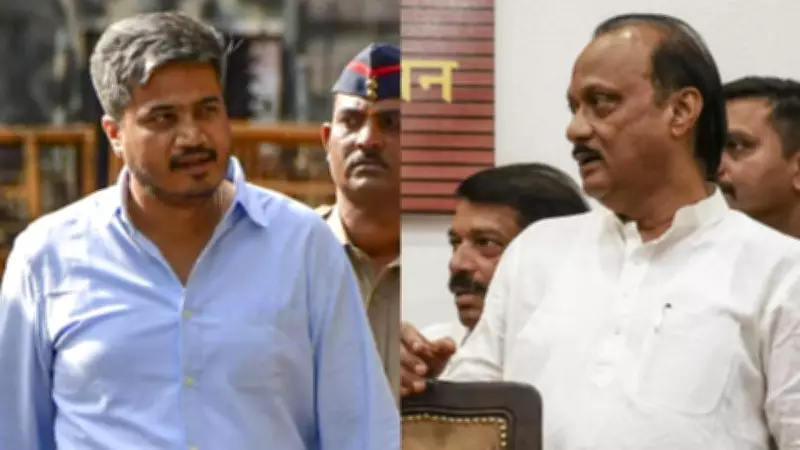
Rohit Pawar Alleges Systemic Cover-Up in Ajit Pawar Plane Crash Investigation
In a startling development, two-time legislator Rohit Pawar has publicly accused aviation authorities of orchestrating a cover-up in the investigation into the plane crash involving Deputy Chief Minister Ajit Pawar. Representing the Karjat-Jamkhed constituency in Maharashtra's Ahilyanagar district, Rohit Pawar made these explosive claims during a recent press conference, casting serious doubt on the official findings released by the Directorate General of Civil Aviation (DGCA) and the Aircraft Accident Investigation Bureau (AAIB).
Claims of Suspicious Pre-Incident Activity at Baramati Airport
The core of Rohit Pawar's allegations centers on what he describes as highly suspicious reconnaissance activities conducted at Baramati airport prior to the crash. According to his detailed statement, unknown individuals were observed conducting a thorough "recce" of the airport facilities and surrounding areas in the days leading up to the incident. This reconnaissance, he argues, suggests a level of premeditation or external interference that has been completely ignored in the official reports.
"The DGCA and AAIB reports are nothing but a deliberate cover-up designed to obscure the truth," Rohit Pawar asserted. "How can they claim to have conducted a comprehensive investigation when they have blatantly ignored eyewitness accounts and evidence of unauthorized surveillance at the airport? The people of Maharashtra deserve transparency, not this whitewash."

Demand for Independent Probe and Political Implications
The allegations have sent shockwaves through Maharashtra's political landscape, given Ajit Pawar's prominent position as Deputy Chief Minister and a senior leader of the Nationalist Congress Party. Rohit Pawar, who belongs to the same political family, has called for an immediate independent investigation by a neutral agency to uncover what he believes are critical omissions in the official inquiry.
Key points raised by Rohit Pawar include:
- The failure of DGCA and AAIB to interview key witnesses who reported the suspicious reconnaissance.
- Alleged discrepancies between preliminary findings and the final published reports.
- A perceived lack of urgency in investigating potential sabotage or external threats.
- The need for greater accountability from aviation regulatory bodies in high-profile cases.
This controversy emerges against a backdrop of heightened scrutiny over aviation safety in India, particularly concerning incidents involving political figures. The DGCA and AAIB have yet to issue an official response to these serious accusations, but the claims have already sparked calls from opposition parties and civil society groups for a reevaluation of the crash investigation.
As the situation develops, all eyes are on whether authorities will address these allegations directly or maintain their original findings. The integrity of India's aviation investigation protocols now faces a significant public test, with potential ramifications for both political stability and public trust in regulatory institutions.






