








Politics
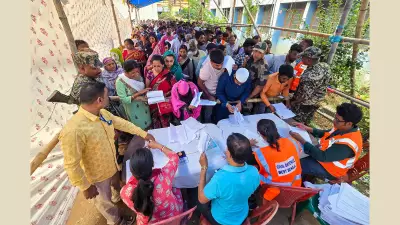
Election Commission's New Initiative Aims to Boost Voter Turnout in Every Poll
The Election Commission of India is launching a new campaign to encourage citizens to vote in every election, from local to national levels, addressing declining participation trends.



World

Trump Threatens to Erase Iranian Civilization Over Strait of Hormuz Ultimatum
US President Donald Trump has issued an extreme ultimatum to Iran, threatening to erase its 5000-year-old civilization if it does not reopen the Strait of Hormuz by Tuesday night, sparking global alarm and comparisons to Hitler.



Entertainment

Ashwin Dhar Reacts to Memes Comparing His Look to Shah Rukh Khan's Met Gala Appearance
Actor Ashwin Dhar, known for his role in 'Dhurandhar,' responds to viral memes comparing his film look to Shah Rukh Khan's Met Gala outfit, calling it an overwhelming compliment.



Business

India's EV Sales Surge Past 20 Lakh Milestone, Led by Two-Wheelers and Cars
India's electric vehicle sales hit a record 24.5 lakh units in FY26, growing 25% year-on-year, with strong performance across two-wheelers, three-wheelers, cars, and commercial vehicles.



Sports



Lifestyle




Technology

OnePlus Nord 6 India Launch: Snapdragon 8s Gen 4, 4 Android Updates
OnePlus Nord 6 debuts in India featuring the Qualcomm Snapdragon 8s Gen 4 chipset and a promise of four Android OS updates until 2030, enhancing performance and longevity for users.

Xiaomi 17 Review: Compact Phone with Impressive Camera
The Xiaomi 17 offers a feature-rich flagship experience in a compact design, excelling with smooth performance, impressive photography, and long battery life.

World Health Day 2026: AI Chatbots vs. Human Doctors
As World Health Day 2026 approaches, experts highlight the limitations of AI chatbots in healthcare, emphasizing why they cannot replace human doctors despite growing dependency on artificial intelligence in India.
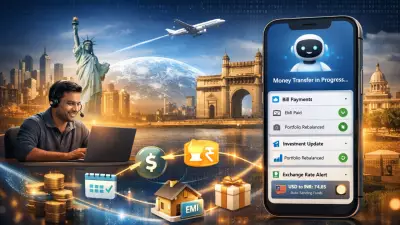
Abound AI Autopilot for NRIs Launched by Times Group
Abound, a financial app for NRIs supported by The Times of India Group, introduces an AI Financial Autopilot. This system automates remittances, bill payments, and investments for Indians abroad, handling over $125 billion annually.
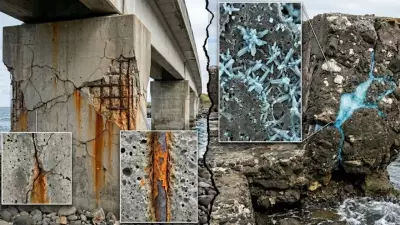
Roman Concrete's Self-Healing Secret Outlasts Modern Buildings
MIT and Harvard research reveals Roman concrete's lime clasts enable self-healing cracks, explaining why ancient structures like the Pantheon endure while modern concrete deteriorates within decades.
