

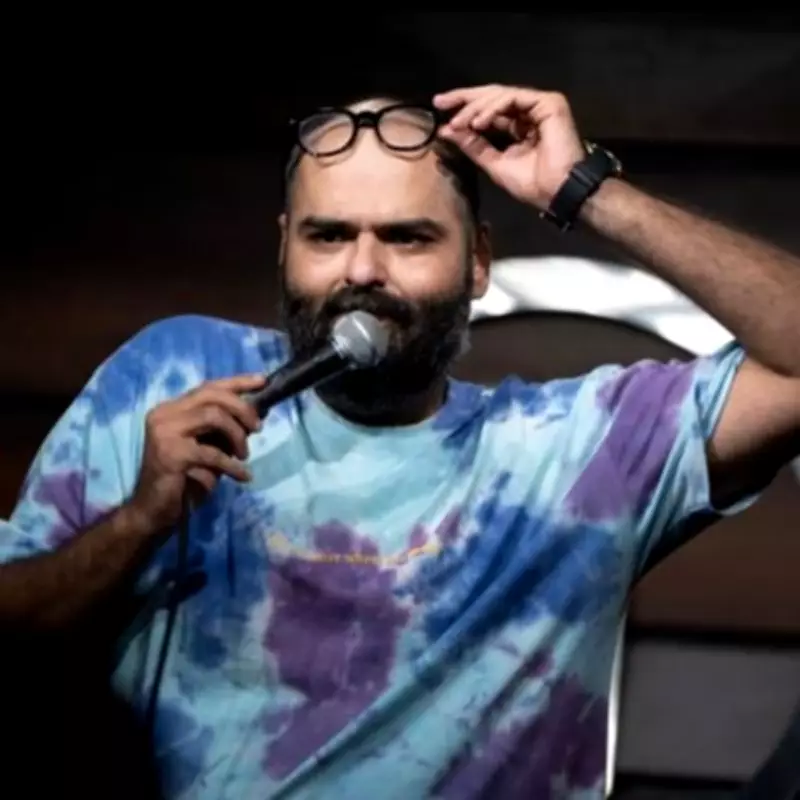
The art of satire, a cherished pillar of democratic societies, is facing unprecedented challenges as comedians increasingly become targets of intimidation. In India, a nation known for its vibrant tradition of humor and critique, recent incidents have sparked a crucial debate on the boundaries of free expression.
The Role of Satire in Democracy
Satire has historically served as a powerful tool for social commentary, allowing individuals to critique authority and highlight societal absurdities through humor. It acts as a safety valve, enabling citizens to express dissent without resorting to violence. Comedians, as modern-day court jesters, hold a mirror to society, often exposing uncomfortable truths. Their work encourages critical thinking and fosters a culture of accountability.
Recent Incidents of Intimidation
In recent months, several comedians have faced legal notices, police complaints, and online harassment for their routines. For instance, a popular stand-up comedian was booked for allegedly hurting religious sentiments after a joke about a mythological figure. Another faced a police case for a remark deemed offensive to a political party. These actions not only target individuals but also create a chilling effect on the entire community of performers.

The intimidation is not limited to legal threats. Social media mobs often amplify outrage, leading to loss of show bookings and sponsorships. The fear of backlash forces comedians to self-censor, diluting the very essence of their craft.
The Legal Framework and Free Speech
India's Constitution guarantees freedom of speech under Article 19(1)(a), subject to reasonable restrictions. However, the interpretation of what constitutes 'reasonable' often becomes contentious. Laws against defamation, incitement to hatred, and hurting religious sentiments are frequently invoked against comedians. While these laws aim to maintain public order, their misuse stifles legitimate expression.
Critics argue that the threshold for offense is too low. A joke that may be considered harmless by one person can be deemed offensive by another. The subjective nature of humor makes it vulnerable to censorship. Legal experts emphasize that satire should be protected unless it directly incites violence or poses a clear and present danger.
International Comparisons
Other democracies have grappled with similar issues. In the United States, the First Amendment provides robust protection for satire, even when it is provocative. Landmark cases have upheld the right to parody public figures and institutions. In contrast, several European countries have stricter laws against hate speech, which sometimes limit satirical expression. India, with its diverse and pluralistic society, must find a balance that protects both freedom and sensitivity.
The Social Impact of Censorship
When comedians are silenced, society loses a valuable mechanism for self-reflection. Satire often reaches audiences that traditional news or commentary may not engage. It can defuse tension and promote dialogue. Conversely, suppressing satire can breed resentment and drive dissent underground. The current trend of intimidation threatens to erode the democratic space for humor.
Moreover, the targeting of comedians often reflects broader societal intolerance. It sends a message that dissent is not welcome, stifling innovation and creativity. Young comedians may be discouraged from entering the field, fearing repercussions.
The Way Forward
To protect satire, a multi-pronged approach is needed. First, legal reforms should clarify the boundaries of permissible satire, ensuring that laws are not weaponized against comedians. Second, law enforcement agencies must exercise restraint and avoid filing cases based on frivolous complaints. Third, civil society and media should stand in solidarity with comedians, condemning intimidation and promoting a culture of open debate.
Comedians themselves can also play a role by engaging with critics and explaining the intent behind their work. However, the burden should not solely rest on them. Audiences must cultivate a sense of humor that can appreciate satire without taking offense. Ultimately, a healthy democracy requires the freedom to laugh, even at its most sacred institutions.

In conclusion, the intimidation of comedians is a deplorable trend that undermines the very foundations of free expression. Satire is not a threat to society; it is a sign of its vitality. As India navigates its complex socio-political landscape, it must safeguard the space for humor and critique. The alternative is a society that is not only less funny but also less free.





