Supreme Court Puts UGC Regulations on Hold Amid Legal Scrutiny
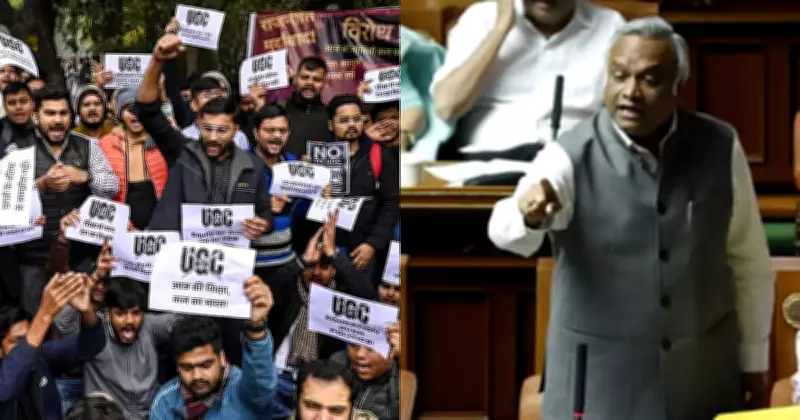
In a significant development, the Supreme Court of India has issued a stay order on the University Grants Commission (UGC) regulations, effectively putting them on hold pending further judicial review. This decision comes in response to multiple petitions challenging the legality and implementation of these regulations, which have sparked widespread debate in the education sector.
Legal Challenges and Implications
The UGC regulations, introduced to standardize higher education practices across the country, have faced criticism from various stakeholders, including universities, students, and academic bodies. Critics argue that the rules impose undue restrictions and could compromise academic autonomy. The Supreme Court's interim stay provides a temporary reprieve, allowing for a more thorough examination of the constitutional and procedural aspects involved.
Legal experts suggest that this move underscores the judiciary's role in safeguarding educational institutions from potential overreach by regulatory bodies. The court has scheduled hearings to delve deeper into the matter, with expectations of a final ruling in the coming months.

Karnataka Assembly Sees Opposition Walkout Over Gandhi Advertisement
Meanwhile, in Karnataka, the state Assembly witnessed a dramatic scene as the opposition parties staged a walkout during a session. The protest was triggered by the government's defense of a controversial advertisement that prominently features Mahatma Gandhi. The ad, part of a public awareness campaign, has drawn ire from opposition members who accuse the ruling party of politicizing the iconic leader's image for electoral gains.
Government's Stance and Political Fallout
The Karnataka government, led by the ruling party, defended the advertisement, stating it aims to promote Gandhian values and national unity. However, opposition leaders argued that the ad misrepresents Gandhi's legacy and serves as a tool for political propaganda. The walkout highlights the deepening political tensions in the state, with both sides trading accusations of misuse of public resources and historical figures.
This incident adds to the ongoing political strife in Karnataka, where issues of governance and ideology frequently clash in the legislative arena. Analysts note that such walkouts could impact the functioning of the Assembly and delay key legislative business.
Broader Context and Public Reaction
These events reflect broader trends in Indian politics and education. The Supreme Court's intervention in UGC matters signals a cautious approach to regulatory reforms, while the Karnataka Assembly walkout underscores the volatile nature of state politics. Public reaction has been mixed, with some applauding the court's decision for protecting academic freedom, and others criticizing the political theatrics in Karnataka as detrimental to democratic processes.
As these stories unfold, they are likely to influence policy discussions and political strategies in the coming days, with stakeholders closely monitoring developments.