Supreme Court Mandates Judicial Officers for West Bengal's SIR Exercise
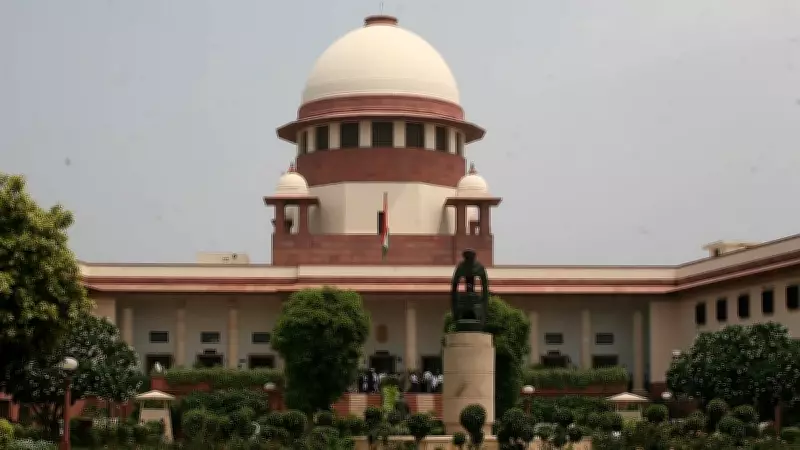
The Supreme Court of India has issued a significant order requiring the deployment of judicial officers to oversee the Special Intensive Revision (SIR) exercise in West Bengal. This directive aims to ensure a fair and transparent process for adjudicating claims and objections raised by individuals placed on the logical discrepancy list during the voter list revision.
Judicial Oversight for Electoral Integrity
The bench, in its ruling, emphasized the necessity of judicial oversight to maintain the integrity of the electoral process. By ordering the deputation of judicial officers, the court seeks to provide an impartial mechanism for resolving disputes related to voter registrations. This move is expected to enhance public confidence in the electoral system and address concerns about potential irregularities.
Addressing Logical Discrepancy Lists
The SIR exercise involves a thorough review of voter lists to identify and correct errors or inconsistencies. Persons listed under logical discrepancies—such as duplicate entries, incorrect details, or eligibility issues—will have their claims and objections adjudicated by the appointed judicial officers. This step is crucial for ensuring that the final voter list is accurate and reflective of the eligible electorate.

The Supreme Court's intervention underscores the importance of judicial involvement in electoral matters, particularly in states like West Bengal where political sensitivities are high. The order is seen as a proactive measure to prevent disputes and legal challenges that could arise from the revision process.
Implications for West Bengal and Future Elections
This decision is likely to have far-reaching implications for West Bengal's electoral landscape. By integrating judicial officers into the SIR exercise, the process gains an added layer of scrutiny and fairness. It also sets a precedent for other states to consider similar measures during voter list revisions, potentially influencing national electoral practices.
The deployment of judicial officers is scheduled to begin promptly, with the Election Commission of India coordinating the logistics to ensure compliance with the court's order. Stakeholders, including political parties and civil society groups, have welcomed the move as a step toward greater transparency and accountability in elections.
In summary, the Supreme Court's order marks a pivotal development in India's electoral governance, reinforcing the role of the judiciary in safeguarding democratic processes. As West Bengal prepares for upcoming elections, this measure aims to foster a more credible and dispute-free electoral environment.