Supreme Court Mandates Transparency in Tamil Nadu Voter Roll Verification Process
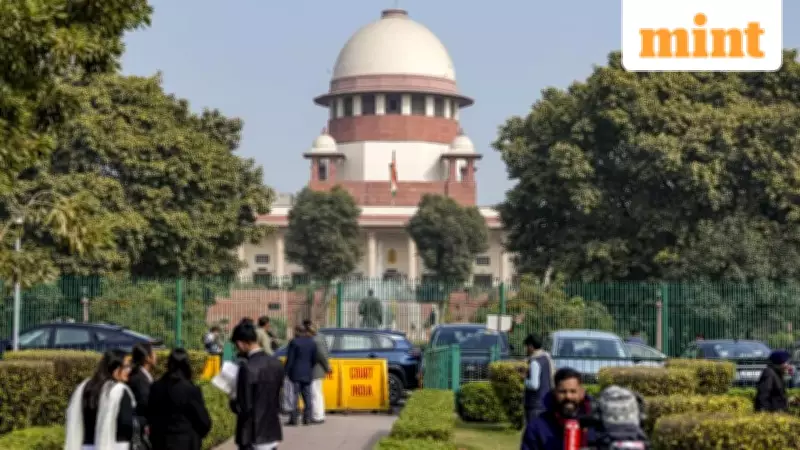
The Supreme Court of India has issued a significant directive to the Election Commission of India (ECI) concerning the verification of voter lists during the Special Intensive Revision (SIR) process in Tamil Nadu. On Thursday, a bench comprising Chief Justice of India Surya Kant and Justice Joymalya Bagchi emphasized the need for complete transparency in handling the 'logical discrepancy' list that has affected approximately 1.16 crore individuals in the draft electoral roll.
Court's Key Directives for Electoral Transparency
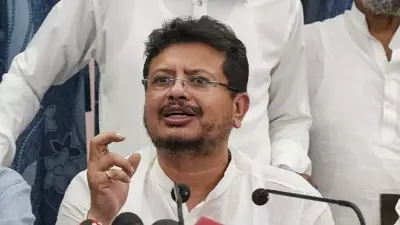
The Supreme Court bench, while hearing an application filed by DMK Secretary RS Bharathi, applied its previous order from the West Bengal SIR case to Tamil Nadu. This move underscores the judiciary's commitment to uniform electoral standards across states undergoing similar revision processes.
The court issued several crucial directions to ensure proper verification procedures:

- The names of persons identified with logical discrepancies must be publicly displayed at gram panchayat bhavans and other prominent locations at the taluk level.
- Affected individuals are granted a 10-day window to submit necessary documents or objections either in person or through authorized representatives.
- Each entry in the logical discrepancy list must include a brief explanation clarifying the nature of the discrepancy.
Administrative and Security Measures Ordered
Beyond transparency requirements, the Supreme Court addressed practical implementation concerns. The bench directed both the ECI and state election commissions to deploy adequate manpower at Booth Level Officers (BLOs) and sub-divisional offices to manage the verification process efficiently.
The court specifically instructed district collectors to meticulously follow ECI guidelines for staff deployment, ensuring the SIR process functions smoothly without administrative bottlenecks.
Additionally, the superintendent of police in all districts received directives to maintain law and order at verification locations, preventing any potential disturbances during this sensitive electoral exercise.
Broader Implications for Electoral Processes Nationwide
The Supreme Court's observations extended beyond Tamil Nadu, with the bench expressing expectation that the ECI would implement similar transparent procedures in all states undergoing Special Intensive Revision of electoral rolls. This establishes a potential precedent for standardized voter verification practices across India.
The legal proceedings saw Senior Advocate Kapil Sibal representing the petitioner, while Senior Advocate Dama Seshadri Naidu appeared for the Election Commission. Tamil Nadu Additional Advocate General Amit Anand Tiwari represented the state government in the matter.
This judicial intervention highlights the ongoing efforts to strengthen India's electoral integrity through transparent processes and proper verification mechanisms, particularly during critical revision periods that affect millions of voters.