

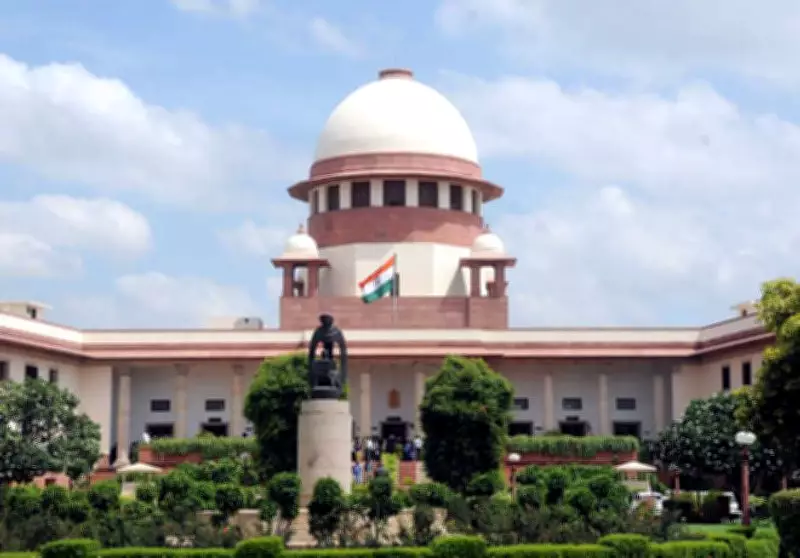
Supreme Court Petition Challenges Legality of Mamata Banerjee's Court Appearance
A significant legal development has emerged as a plea filed in the Supreme Court of India contends that West Bengal Chief Minister Mamata Banerjee's personal appearance in the SIR matter is legally untenable. The petition, which has garnered national attention, raises critical questions about procedural adherence and jurisdictional boundaries in high-profile political cases.
Core Arguments of the Petition
The plea meticulously outlines several grounds on which it deems the Chief Minister's court appearance invalid. Primarily, it asserts that the appearance violates established legal protocols, potentially setting a dangerous precedent for political figures involved in judicial proceedings. The petitioner argues that such actions could undermine the separation of powers and the impartiality of the judiciary.
Furthermore, the document highlights alleged procedural lapses, suggesting that the manner in which the appearance was orchestrated bypasses standard legal channels. This includes concerns over the timing and the specific court involved, which the plea claims may not have the appropriate jurisdiction to handle matters of this nature involving a sitting chief minister.

Implications for Governance and Law
This legal challenge carries profound implications for both governance and the rule of law in India. If the Supreme Court upholds the plea, it could lead to a reevaluation of how political leaders interact with the judiciary, emphasizing stricter compliance with legal norms. Conversely, a dismissal might reinforce the autonomy of state leaders in legal matters, but could also spark debates about accountability and privilege.
The SIR case itself, which centers on allegations related to land and resource management in West Bengal, has been a contentious issue, and this petition adds a new layer of complexity. Legal experts are closely monitoring the situation, noting that the outcome could influence future cases involving high-ranking officials.
Broader Political and Legal Context
In the broader political landscape, this development occurs amidst ongoing tensions between state and central authorities, with West Bengal often at the forefront of such disputes. The petition reflects deeper systemic issues within India's federal structure and legal framework, where the lines between political authority and judicial oversight are frequently tested.
As the Supreme Court prepares to hear the plea, stakeholders from across the political and legal spectra are awaiting a decision that could reshape procedural standards in Indian courts. The case underscores the importance of maintaining legal integrity while navigating the intricate dynamics of power and governance.






