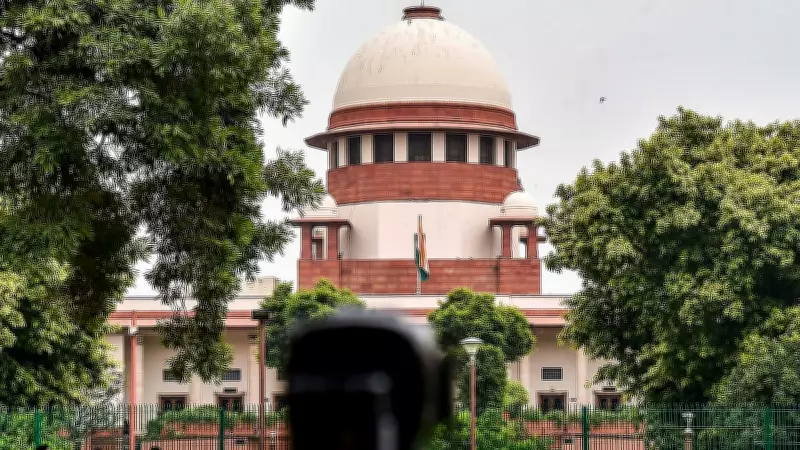
The Supreme Court of India has concluded its final hearing and reserved its verdict on a series of significant petitions challenging the Summary Revision (SIR) of electoral rolls in the state of Bihar. This crucial legal proceeding has drawn widespread attention due to its potential impact on the democratic process in one of India's most politically significant states.
Bench Concludes Final Arguments
A distinguished bench comprising Chief Justice Surya Kant and Justice Joymalya Bagchi presided over the final hearing session. The court listened intently to comprehensive arguments presented by a battery of eminent senior advocates representing various petitioners and stakeholders in this matter.
Legal Luminaries Present Arguments
The hearing featured submissions from some of India's most prominent legal minds, including:

- Kapil Sibal, former Union Minister and senior advocate
- Abhishek Singhvi, senior advocate and Congress spokesperson
- Prashant Bhushan, noted public interest lawyer
- Gopal Sankaranarayan, senior advocate specializing in constitutional matters
These legal experts presented detailed arguments regarding the constitutional validity and procedural aspects of the electoral roll revision process currently underway in Bihar. The petitions reportedly raise concerns about the methodology, transparency, and potential implications of the Summary Revision exercise on voter inclusion and exclusion processes.
Significance for Bihar's Electoral Landscape
The reserved verdict holds substantial importance for Bihar's political future, as electoral rolls form the foundation of democratic participation. The Summary Revision process, which typically involves updating voter lists by adding new eligible voters, removing deceased or relocated individuals, and correcting existing entries, has become a subject of legal scrutiny amid allegations of procedural irregularities.
Legal observers note that the Supreme Court's eventual ruling could establish important precedents regarding:
- The standards for conducting electoral roll revisions
- The rights of citizens to challenge such processes
- The Election Commission's procedures in maintaining accurate voter lists
- The timeline for implementing electoral roll changes before upcoming elections
Awaiting the Final Judgment
With the hearing now concluded, all parties await the Supreme Court's written judgment, which is expected to provide clarity on the legal challenges to Bihar's electoral roll revision. The court's decision could potentially influence similar electoral processes across other Indian states and shape the framework for future voter list management in the country.
The timing of this legal development is particularly significant as Bihar prepares for its next electoral cycle, making the accuracy and fairness of voter registration processes a matter of paramount importance for democratic integrity in the state.