

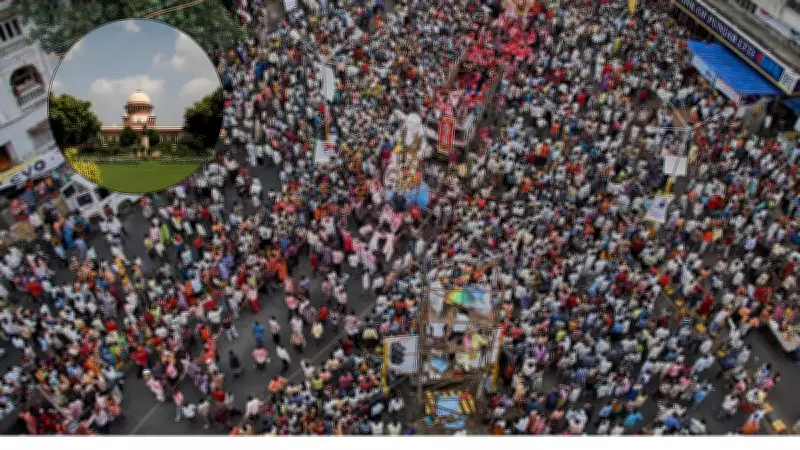
The Supreme Court has made a significant observation that roads cannot be blocked in the name of religious activities, and the government has the authority to intervene if secular activities are adversely impacted. The remarks came during a hearing where Justice B.V. Nagarathna noted that the State can step in when religious practices disrupt normal secular life.
Key Observations by the Supreme Court
Justice Nagarathna emphasized that while the Constitution guarantees the freedom to practice religion, this right is not absolute and must be balanced against the rights of others. Blocking public roads for religious processions or gatherings violates the fundamental rights of citizens to free movement and access to public spaces.
Government's Role in Regulating Religious Activities
The court clarified that the government is not only entitled but also obligated to ensure that religious activities do not infringe upon secular activities. This includes ensuring that roads remain accessible for emergency services, daily commuters, and other essential functions.

- Religious freedom does not include the right to obstruct public thoroughfares.
- The State can impose reasonable restrictions on religious activities to protect public order and convenience.
- Any interference by the government must be proportionate and based on objective criteria.
Context of the Case
The observation was made during the hearing of a petition concerning the blocking of roads for religious events. The bench noted that while religious sentiments must be respected, they cannot override the rights of others or the state's duty to maintain public order.
This ruling is expected to have far-reaching implications for how religious festivals and processions are organized across India. Local authorities may now be more proactive in regulating such events to prevent inconvenience to the public.






