Supreme Court Declines to Impose Timeline for West Bengal Voter List Appeal Hearings
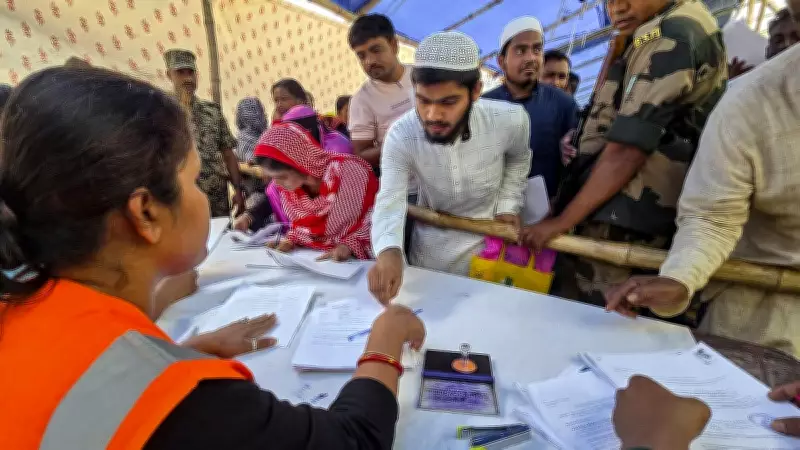
The Supreme Court of India has made a significant ruling by refusing to establish a specific timeline for the completion of appeal hearings related to the voter list in West Bengal. This decision comes amid a large-scale adjudication process involving approximately 700 judicial officers from West Bengal, Odisha, and Jharkhand, who are tasked with handling over 60 lakh objections from individuals excluded from the electoral rolls.
Court's Stance on Judicial Pressure
In its ruling, the Supreme Court emphasized that it cannot and should not pressure officials to expedite the appeal hearings. The court highlighted the importance of allowing the judicial process to proceed without undue interference, ensuring that each case is thoroughly examined to uphold the integrity of the voter list. This approach aims to balance efficiency with fairness, acknowledging the complexity and volume of objections that need resolution.
Scale of the Voter List Revision
The special intensive revision of the voter list in West Bengal has garnered national attention due to its massive scope. With 60 lakh objections filed, the deployment of 700 judicial officers underscores the logistical challenges involved. These officers are working diligently to adjudicate each objection, a process critical for ensuring accurate and inclusive electoral participation in the state.

The involvement of officers from Odisha and Jharkhand further illustrates the collaborative effort required to manage this extensive task. This cross-state deployment is part of a broader strategy to leverage judicial resources effectively, though the Supreme Court's refusal to set a deadline means the timeline remains flexible, dependent on the pace of individual hearings.
Implications for Electoral Integrity
This ruling has significant implications for the upcoming elections in West Bengal. By not imposing a strict timeline, the Supreme Court allows for a more deliberative process, potentially reducing errors and ensuring that all valid objections are addressed properly. However, it also raises questions about the potential for delays that could impact election preparations.
Experts suggest that while the lack of a deadline may lead to a slower process, it prioritizes accuracy over speed, which is crucial for maintaining public trust in the electoral system. The court's decision reflects a commitment to judicial independence and the rule of law, even in high-stakes political contexts.
Future Outlook and Public Response
As the appeal hearings continue without a fixed end date, stakeholders, including political parties and civil society groups, are closely monitoring the situation. The Supreme Court's stance is seen as a reminder of the judiciary's role in safeguarding democratic processes from external pressures.
In summary, the Supreme Court's refusal to set a timeline for West Bengal's voter list appeals underscores the complexity of large-scale electoral revisions and the need for careful judicial oversight. This development will likely influence how similar processes are handled in other states, setting a precedent for balancing efficiency with thoroughness in electoral administration.