

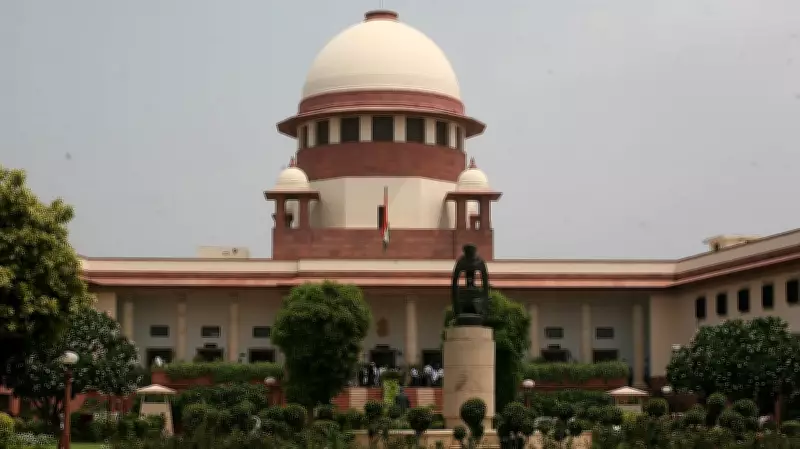
Supreme Court Takes Up Himachal Government's Request to Withdraw Cases Against Lawmakers
The Supreme Court of India has formally agreed to examine a significant plea filed by the Himachal Pradesh government. This plea seeks the withdrawal of criminal cases currently pending against Members of Parliament (MPs) and Members of the Legislative Assembly (MLAs) in the state. The decision by the apex court to take up this matter marks a pivotal development in the ongoing legal and political discourse surrounding the prosecution of elected representatives.
Legal and Political Implications of the Plea
The Himachal Pradesh government's request raises profound questions about the intersection of law, governance, and political accountability. By petitioning the Supreme Court, the state administration is effectively seeking judicial approval to discontinue criminal proceedings against its own lawmakers. This move is likely to spark intense debate regarding the principles of equality before the law and the potential for political influence in legal processes.
Legal experts anticipate that the Supreme Court's examination will delve into the specific grounds cited by the Himachal government for seeking the withdrawal. These grounds may include considerations of public interest, the nature of the alleged offenses, and the procedural aspects of the cases. The court's scrutiny is expected to set a precedent that could influence similar requests from other states in the future.

Background and Context of the Cases
The criminal cases in question involve a range of allegations against MPs and MLAs from Himachal Pradesh. While the exact details and number of cases have not been fully disclosed in public reports, such matters typically encompass charges related to corruption, electoral malpractices, or other statutory violations. The withdrawal of these cases could have substantial implications for the political landscape in the state, potentially affecting the careers and reputations of the involved legislators.
Historically, the Supreme Court has maintained a cautious stance on issues involving lawmakers and criminal proceedings, emphasizing the need for transparency and judicial oversight. This case aligns with that trend, as the court's agreement to examine the plea underscores its role as a guardian of constitutional morality and legal integrity.
Potential Outcomes and Future Scenarios
As the Supreme Court prepares to hear the Himachal government's plea, several outcomes are possible. The court may:
- Grant the withdrawal request, based on a finding that it serves the public interest or lacks merit.
- Deny the plea, upholding the continuation of criminal cases to ensure accountability.
- Impose conditions on any withdrawal, such as requiring a detailed justification or public disclosure of reasons.
This development is closely watched by political analysts, legal scholars, and civil society groups, who view it as a test case for how India's judiciary balances state autonomy with the rule of law. The Supreme Court's eventual ruling could reshape the dynamics between elected officials and the legal system, influencing policies on prosecutorial discretion and legislative immunity across the country.
In summary, the Supreme Court's decision to examine the Himachal Pradesh government's plea to withdraw cases against MPs and MLAs represents a critical juncture in Indian jurisprudence. It highlights the ongoing tensions between political expediency and legal principles, with far-reaching consequences for democracy and governance in India.






