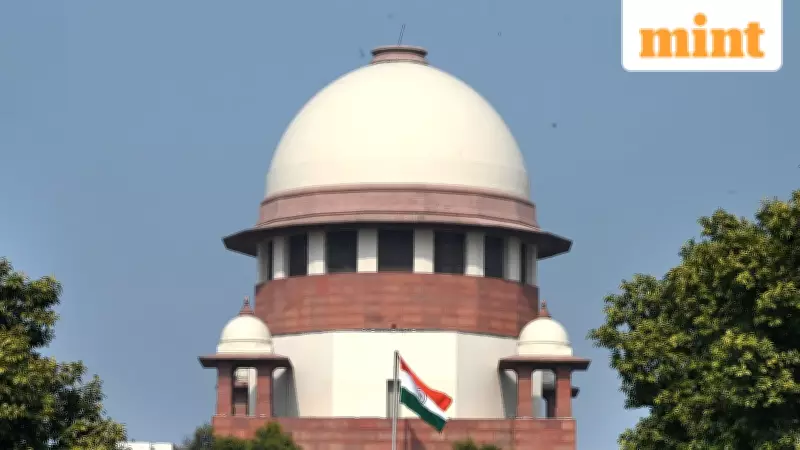
Supreme Court to Hear PIL in March on Deregistering Parties Over Irrational Freebies
The Supreme Court of India has agreed to list a Public Interest Litigation (PIL) for hearing in March, which seeks to deregister political parties that promise or distribute irrational freebies before elections. This move highlights growing judicial concern over the impact of such promises on the democratic process and public finances.
Background of the PIL
The PIL, filed by lawyer-petitioner Ashwini Updhyaya, urges the court to direct the seizure of election symbols or deregistration of parties engaging in this practice. Updhyaya argued before a bench comprising Chief Justice Surya Kant and Justice Joymalya Bagchi that notices on his PIL were issued to the Centre and the Election Commission of India (ECI) back in 2022, and he requested an expedited hearing.
In his submission, Updhyaya stated, "Except Sun and Moon, everything is promised by political parties to voters during elections and this amounts to corrupt practice." The Chief Justice acknowledged the importance of the issue, responding, "This is an important issue. You please remind us and mention it at the end. We will list in March."

Previous Judicial Proceedings
On January 25, 2022, a bench headed by the then Chief Justice N V Ramana had sought replies from the Centre and the ECI on the same PIL. The bench had termed it a serious issue, noting that sometimes "freebie budget is going beyond regular budget." This indicates a long-standing judicial scrutiny of the matter, with the upcoming hearing set to build on these earlier deliberations.
Key Arguments in the Petition
The plea, filed through advocate Ashwani Kumar Dubey, makes several critical points:
- It seeks a declaration that promising irrational freebies from public funds unduly influences voters, disturbs the level-playing field, and vitiates the purity of the electoral process.
- The petition argues that this trend is "the greatest threat to the survival of democratic values" and injures the spirit of the Constitution, comparing it to giving bribes to the electorate at public expense.
- As an alternative, it requests the Centre to enact a specific law to address the issue.
Proposed Measures and Constitutional Concerns
The petition also calls for the ECI to insert an additional condition in the Election Symbols (Reservation and Allotment) Order 1968, prohibiting political parties from promising or distributing irrational freebies from public funds before elections. It cites violations of constitutional articles, including:
- Article 14 (equality before law)
- Articles 162, 266(3), and 282, which relate to executive power and public funds
Furthermore, the plea references promises made by certain parties ahead of state assembly polls, warning that the distribution of money and freebies has reached alarming levels, with elections being countermanded multiple times as a result.
Implications for Indian Democracy
This PIL underscores a broader debate on the sustainability and ethics of freebies in Indian politics. By focusing on the deregistration of parties, it aims to curb practices that could undermine fiscal responsibility and electoral fairness. The Supreme Court's decision to hear the case in March signals a potential shift towards stricter regulation of pre-poll promises, with significant implications for political campaigns and governance in India.