

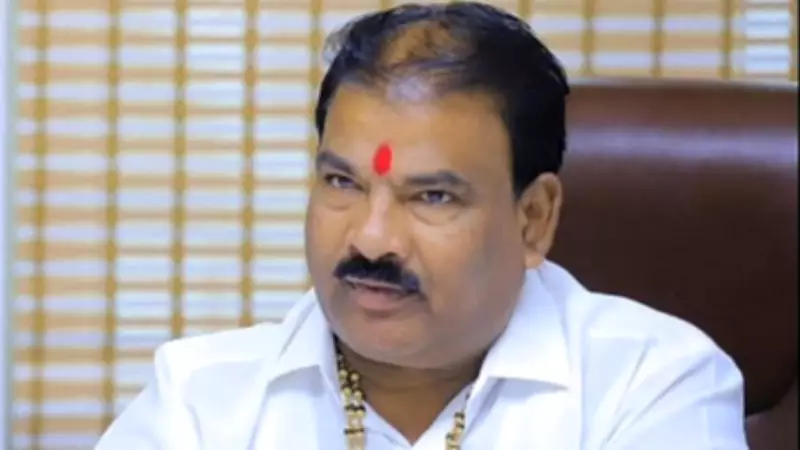
Shiv Sena MLA Sanjay Gaikwad has been accused of threatening a Kolhapur-based publisher, Prashant Ambi, over a book on Chhatrapati Shivaji Maharaj that was published 38 years ago. The incident came to light on Thursday when Ambi filed a complaint and released an audio clip in which Gaikwad is heard using abusive language and threatening to cut his tongue.
Details of the Threat
According to Ambi, the threat was made over a book that discusses historical aspects of the Maratha king. Gaikwad, in the audio recording, can be heard expressing outrage over the content and warning the publisher of severe consequences. The MLA allegedly said, "I will cut your tongue and see how you publish such things." Ambi has demanded police protection and legal action against Gaikwad.
Political Reactions
The controversy has sparked a political firestorm in Maharashtra. Opposition parties have condemned Gaikwad's remarks, calling them a threat to freedom of speech and expression. The Shiv Sena, however, has not issued an official statement yet. Supporters of Gaikwad claim that the book contains disrespectful content about Shivaji Maharaj, which justifies the MLA's anger.

Legal Implications
Legal experts say that threatening someone with physical harm is a criminal offense under the Indian Penal Code. Ambi has filed a complaint with the local police, who have begun an investigation. The publisher has also appealed to the Maharashtra government to ensure his safety and prevent any attempts to suppress historical literature.
Background of the Book
The book in question was first published in 1988 and has been reprinted several times. It is based on historical research and has not previously faced any legal challenges. Ambi insists that the book is authentic and does not contain any deliberate distortions. He fears that the threat could set a dangerous precedent for authors and publishers in the state.
The incident has reignited debates about censorship and the limits of free speech in India, especially when it comes to historical figures revered by certain communities. Many have called for a balanced approach that respects both historical accuracy and cultural sentiments.






