The 'Great Leveller': How SIR Hearings Transformed West Bengal's Political Landscape
As West Bengal approaches its crucial 2026 state elections, an unexpected development has emerged that is blurring traditional party lines and creating unprecedented political dynamics. The Special Intensive Revision (SIR) hearings, typically a routine electoral exercise, have become a major flashpoint, with allegations of systematic voter manipulation threatening to reshape the electoral battlefield.
TMC's Allegations of Selective Voter Deletions
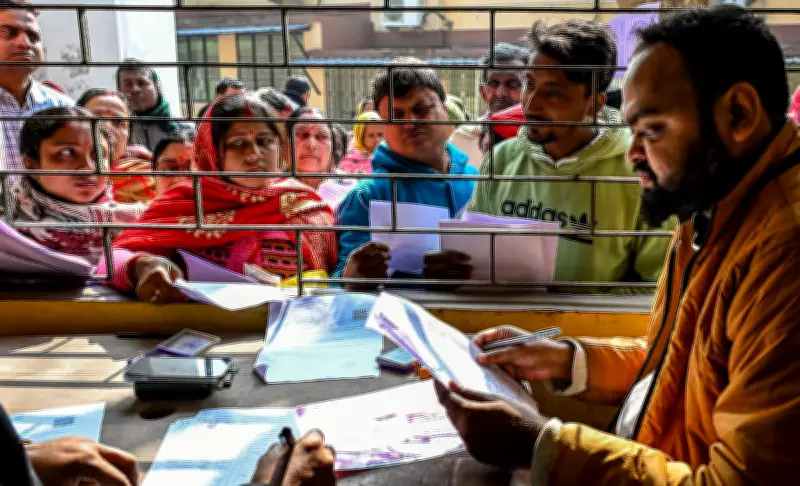
The Trinamool Congress (TMC) has raised serious concerns about the timing and execution of the SIR process. Party officials have alleged that the large-scale objections and verification drives being conducted so close to the election schedule risk creating selective deletions from voter lists. According to TMC representatives, this pattern appears particularly concentrated in minority-dominated constituencies and sensitive border districts, areas that have historically played decisive roles in West Bengal's electoral outcomes.
"The timing of these intensive verification drives raises legitimate questions about their intent," stated a senior TMC leader who requested anonymity. "When such exercises occur immediately before elections, they create opportunities for systematic exclusion of certain voter categories that could influence the final results."

Unusual Political Alliances Emerge
What makes this situation particularly remarkable is how it has forced political parties to reconsider their traditional positions. The SIR hearings have become what political observers are calling a "great leveller" - an issue that transcends conventional party ideologies and creates unexpected alliances. Opposition parties that typically disagree on most policy matters have found common ground in questioning the implementation and timing of the voter verification process.
This development represents a significant departure from West Bengal's typically polarized political environment, where party lines are usually clearly drawn and rarely crossed. The shared concerns about electoral integrity have created temporary bridges between otherwise adversarial political groups, suggesting that the SIR issue has tapped into deeper anxieties about democratic processes.
Border Districts and Minority Areas Under Scrutiny
The focus on border districts and minority-dominated constituencies adds another layer of complexity to the situation. These regions have long been politically sensitive areas in West Bengal, with their demographic composition often influencing electoral strategies and outcomes. The concentration of SIR activities in these specific locations has raised questions about whether the process is being used as a tool for demographic engineering rather than simple electoral housekeeping.
Political analysts note that border districts, with their unique security and demographic challenges, require particularly careful handling of electoral processes. Similarly, minority-dominated areas have historically been flashpoints for political mobilization, making any changes to voter lists in these regions especially consequential.
The Broader Implications for Indian Democracy
This controversy extends beyond West Bengal's borders, touching on fundamental questions about electoral integrity in India's federal democracy. The SIR hearings debate highlights the delicate balance between necessary electoral reforms and potential manipulation of voter lists. It raises important questions about:
- The optimal timing for intensive voter verification exercises
- Safeguards against selective targeting of specific demographic groups
- Transparency in the objection and verification process
- The role of election authorities in maintaining political neutrality
As the election date approaches, all political parties are closely monitoring how the SIR issue develops, recognizing that it could significantly influence voter perceptions and ultimately determine the election's outcome. The unusual blurring of party lines around this issue suggests that concerns about electoral fairness may temporarily override traditional political divisions, creating a unique moment in West Bengal's political history.

The coming weeks will reveal whether this temporary convergence around electoral integrity concerns will translate into lasting political realignments or whether traditional party loyalties will reassert themselves once the immediate controversy subsides.