

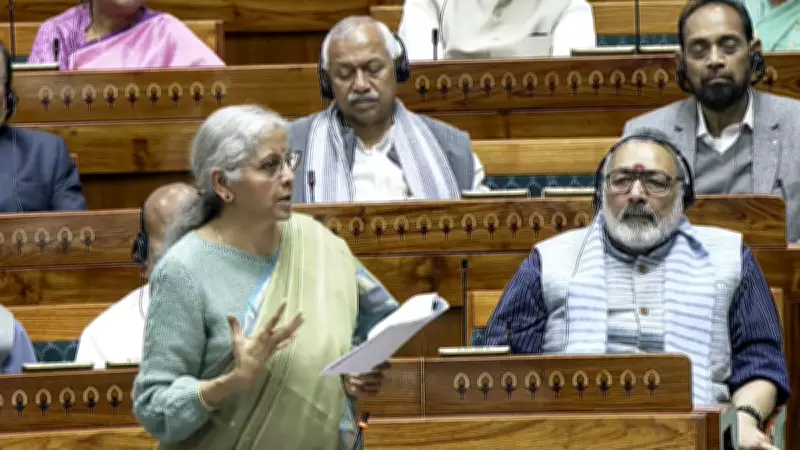
Sitharaman Counters Rahul Gandhi: UPA Sold India to WTO in 2013, Not Modi
In a sharp rebuttal to Congress leader Rahul Gandhi's accusations, Finance Minister Nirmala Sitharaman asserted that it was the previous United Progressive Alliance (UPA) government that compromised India's sovereignty by agreeing to World Trade Organization (WTO) terms in 2013, not the current Modi administration. This exchange highlights ongoing political tensions over economic policies and international agreements.
Background of the Political Clash
The controversy erupted when Rahul Gandhi criticized the Modi government, alleging that recent Indo-US trade deals amounted to "selling the country." He specifically targeted provisions related to data, food, and energy security, claiming they were inadequately addressed in the budget. Sitharaman responded hours later, dismissing these claims as unfounded and pointing to historical context.
Sitharaman's Detailed Rebuttal
Finance Minister Sitharaman emphasized that Rahul Gandhi's remarks, including references to the "weaponisation of finance," would not have been made if he had thoroughly read the budget documents. She clarified that the budget includes robust provisions for data protection, food security through agricultural initiatives, and energy security via renewable energy projects. Sitharaman argued that the UPA's 2013 WTO commitments, which she described as selling out national interests, set a precedent that the current government has worked to rectify through strategic negotiations.

- The UPA government's 2013 WTO agreement allegedly weakened India's stance on trade and agriculture.
- Rahul Gandhi's criticism of the Indo-US deal is misdirected, as the Modi government has prioritized national security in trade talks.
- The budget comprehensively addresses data, food, and energy security, contrary to Gandhi's assertions.
Implications for Indian Politics and Economy
This clash underscores deeper ideological divides between the ruling Bharatiya Janata Party (BJP) and the opposition Congress party regarding economic diplomacy. Sitharaman's counterattack aims to shift the narrative from current policies to past UPA decisions, potentially influencing public perception ahead of upcoming political debates. Experts note that such exchanges could impact investor confidence and international trade relations, as they highlight uncertainties in India's policy continuity.






