

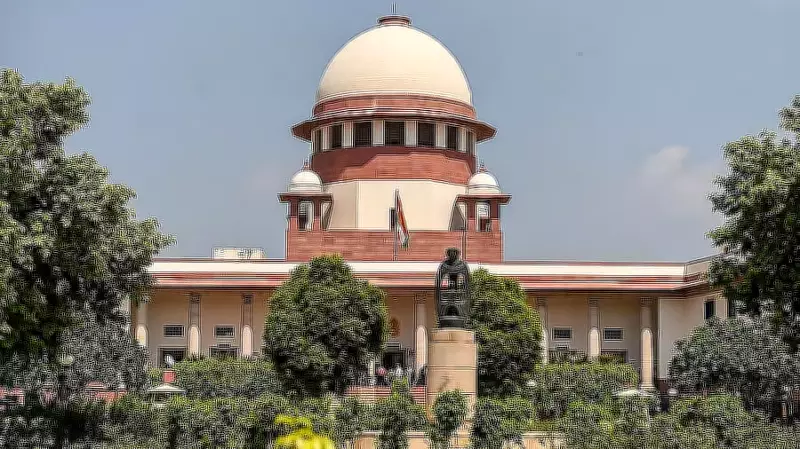
The Supreme Court of India has declined to intervene in a batch of pleas seeking action against hate speeches, stating that there is no legislative vacuum that warrants judicial intervention. A bench of the court observed that the creation of criminal offences and the prescription of punishments lies squarely within the legislative domain.
Court's Observation
The bench, while hearing the petitions, noted that the existing legal framework adequately addresses the issue of hate speech. The court remarked that it is not within the purview of the judiciary to create new offences or prescribe punishments, as these functions are constitutionally assigned to the legislature.
Petitioners' Arguments
The petitioners had argued that the current laws are insufficient to curb the rising incidents of hate speech and sought directions from the court to fill the perceived gaps. However, the court was not convinced, emphasizing that the legislature is the appropriate body to amend or enact laws if needed.

The Supreme Court's decision underscores the principle of separation of powers, where the judiciary refrains from encroaching upon the legislative function. The court also highlighted that citizens can approach the executive or legislature for any changes in the law.
Background
The pleas were filed in response to multiple instances of hate speeches reported across the country. The petitioners had urged the court to lay down guidelines or direct the government to take stringent action. However, the court maintained that it cannot legislate from the bench.
The judgement reaffirms that while the judiciary can interpret laws and ensure their enforcement, it cannot assume the role of lawmaker. The court advised the petitioners to pursue their grievances through appropriate legal channels.






