Talkatora Garden's Mughal-Era Charm Fades as Heritage Structures Fall into Disrepair
Once celebrated as one of the most picturesque gardens in Lutyens' Delhi, Talkatora Garden under the New Delhi Municipal Council (NDMC) is gradually losing its historic allure. Known for its expansive lawns, central fountains, walking paths, and seasonal flower beds, this garden has long been a favorite among walkers, families, and tourists, particularly during the vibrant spring season.
Neglect and Damage Observed During Recent Visit
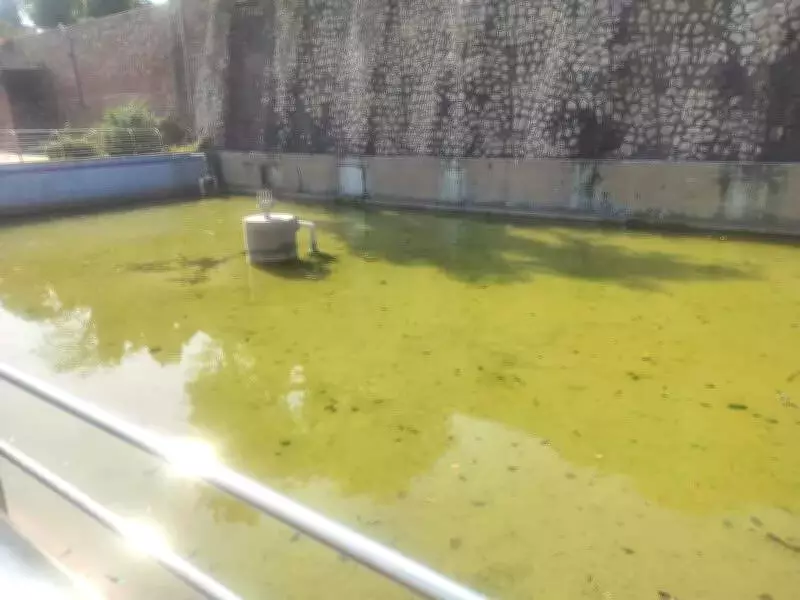
During a recent visit to the garden, the fountains—once the highlight of the landscape—were found to be completely non-functional. Local residents reported that the nozzles had been missing for an extended period, allegedly stolen due to insufficient monitoring. The scene was further marred by damaged electric wires and dried fountain beds, contributing to an overall neglected appearance.
Lighting panels mounted on stone parapet pillars along the ramp leading to the bund and the iconic mehrab were either broken or entirely missing. A significant portion of the bund wall had collapsed and was covered with a makeshift green mesh. Garden staff indicated that the wall caved in over six months ago during the rainy season, highlighting ongoing maintenance issues.

Heritage Significance and Historical Background
Talkatora Garden is a Mughal-era site dating back to the 18th century, specifically during the reign of Emperor Muhammad Shah (1719–1748). The name ‘Talkatora' derives from the Persian words tal (tank) and katora (bowl), referring to a bowl-shaped depression that historically served as a water tank. An embankment, or bund, was constructed during Muhammad Shah's reign to protect this vital water source.
The site also holds historical significance as the area where the Maratha army camped and defeated the Mughals in 1737–38, adding to its cultural and military heritage value.
Current State of Structures and Restoration Efforts
Today, the garden's arched gateways, walls, and other structures are in a state of disrepair, with plaster peeling off in multiple areas and bricks exposed. According to sources, the Department of Archaeology and the Archaeological Survey of India (ASI) are responsible for maintaining the heritage structures, while NDMC handles the general upkeep of the garden.
While ASI did not provide comments on the situation, NDMC officials confirmed that restoration and upgradation works at Talkatora Garden are currently underway. "The fountain nozzles are being fitted to ensure smooth operation of the water features. Two smart poles near the ramp were temporarily removed to make them fully functional and compliant with required standards. All 226 lights across the garden are operational, ensuring proper illumination and safety," an NDMC official stated.
Regarding the collapsed bund wall, officials clarified that ASI is carrying out necessary repairs to preserve the site's heritage character, emphasizing a collaborative effort to address the deterioration.
Broader Implications for Urban Heritage
The decline of Talkatora Garden raises concerns about the preservation of Delhi's urban heritage and public spaces. Tiles and cemented structures near the bund, maintained by NDMC, were also found damaged, indicating a need for more comprehensive maintenance strategies.
This situation underscores the challenges in balancing historical preservation with modern urban management, as both NDMC and ASI work to restore this iconic garden to its former glory while ensuring it remains a safe and enjoyable space for visitors.