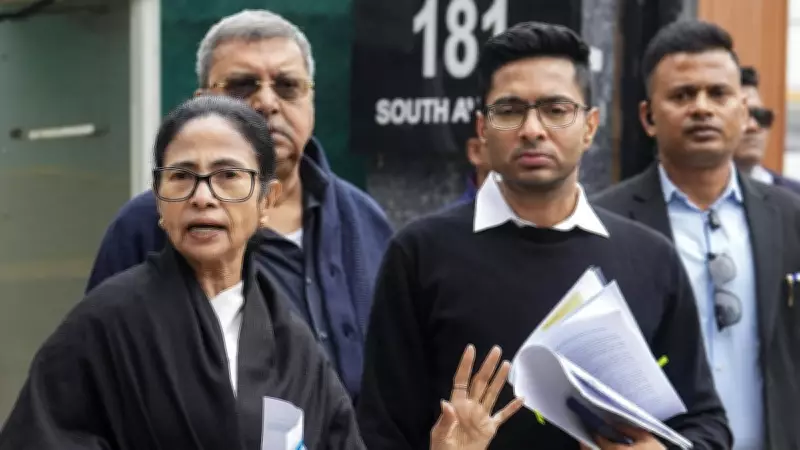
TMC Levels Serious Allegations Against Election Commission Over WhatsApp Instructions
The Trinamool Congress (TMC) has launched a scathing attack on the Election Commission of India, accusing its officials of blatantly flouting directives issued by the Supreme Court of India. The party alleges that commission personnel have been using the popular messaging platform WhatsApp to issue instructions, a practice that TMC claims violates established legal protocols and undermines electoral integrity.
Abhishek Banerjee Echoes Party's Concerns on Social Media
Senior TMC leader Abhishek Banerjee has publicly echoed these serious allegations, taking to social media platform X to amplify the party's position. The TMC's official communication on the matter asserts that the Election Commission's actions represent a deliberate attempt to provide what they describe as "undue advantage" to the Bharatiya Janata Party (BJP) in the crucial period leading up to the upcoming state assembly elections in West Bengal.
The timing of these allegations is particularly significant, coming as political parties intensify their campaigns across the state. The TMC has framed this as a matter of constitutional importance, suggesting that the Election Commission's alleged actions compromise the level playing field that is fundamental to democratic elections.

Supreme Court Directives at the Heart of Controversy
Central to the controversy are specific directives issued by India's apex court regarding communication protocols for election-related matters. The Supreme Court has previously emphasized the need for transparency and proper documentation in all electoral processes, particularly concerning instructions issued by constitutional bodies like the Election Commission.
The use of WhatsApp for official communications raises multiple concerns, including:
- Lack of proper documentation and audit trails
- Potential for selective dissemination of information
- Security vulnerabilities in sensitive electoral matters
- Questions about the formal status of such communications
The TMC has positioned this as not merely a procedural violation but as a substantive threat to electoral fairness. Their statement suggests that the alleged WhatsApp communications could enable preferential treatment or advance information sharing that might influence election outcomes.
Political Implications for West Bengal Elections
With West Bengal preparing for significant state polls, these allegations inject additional tension into an already competitive political landscape. The TMC, which currently governs the state, appears to be framing this issue as part of a broader narrative about institutional impartiality during election seasons.
The party's decision to publicly voice these concerns through both traditional statements and social media platforms indicates they view this as a strategic issue that could resonate with voters concerned about electoral integrity. By linking the alleged violations to potential advantages for their main political rival, the TMC is attempting to shape public perception during a critical pre-election period.
As of the latest reports, the Election Commission has not issued an official response to these specific allegations regarding WhatsApp communications. The development represents another chapter in the ongoing political dynamics between national institutions and state-level parties during India's extensive electoral calendar.