

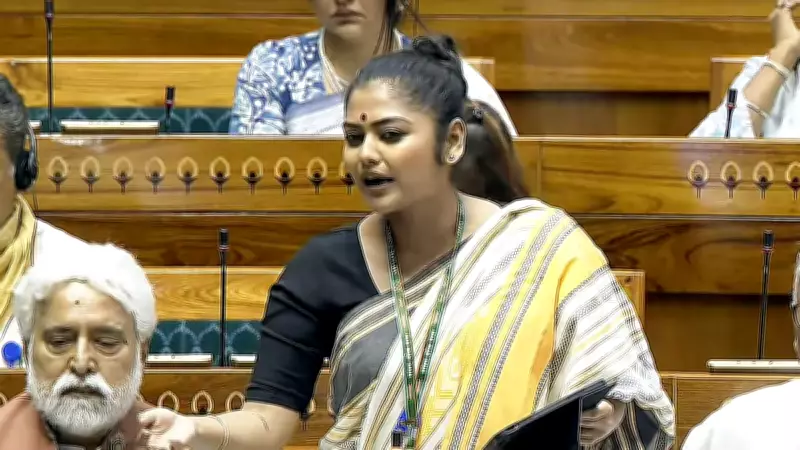
TMC MP Warns Against Turning Parliament Into Party Office
In a heated parliamentary debate on Tuesday, a Trinamool Congress (TMC) Member of Parliament issued a stark warning against transforming the hallowed halls of Parliament into a mere extension of a political party's office. The debate centered on a motion to remove Om Birla from his position as Speaker of the Lok Sabha, sparking intense discussions about the state of democratic discourse in India's legislative body.
Allegations of Curbing Opposition Voices
The TMC leader, whose identity was confirmed as a senior party MP, leveled serious accusations against the ruling establishment. He claimed that the voices of Opposition MPs are being systematically "curbed" and stifled, creating an environment where dissent is increasingly marginalized. This allegation points to a growing concern among opposition parties about their ability to effectively participate in parliamentary proceedings and hold the government accountable.
The MP emphasized that there is "hardly any democracy left in Parliament," suggesting a fundamental erosion of democratic principles within the institution. This statement reflects broader anxieties about the health of India's parliamentary democracy, where robust debate and opposition participation are considered essential pillars of governance.

Context of the Speaker Removal Debate
The debate to remove Om Birla as Speaker provided the backdrop for these explosive remarks. Om Birla, who has served as Speaker since 2019, has faced criticism from opposition parties on various occasions, particularly regarding his handling of parliamentary procedures and perceived bias. The TMC MP's comments were made during arguments supporting the removal motion, framing it as a necessary step to restore parliamentary integrity.
The timing of this debate is significant, coming amid ongoing political tensions and ahead of crucial legislative sessions. The MP's assertion that Parliament risks becoming a "party office" underscores fears that institutional neutrality is being compromised for political gain, potentially undermining the separation of powers.
Broader Implications for Indian Democracy
This incident highlights several critical issues facing Indian politics:
- The perceived decline in parliamentary decorum and substantive debate
- Growing concerns about the marginalization of opposition voices
- Questions about the Speaker's role in maintaining impartiality
- The broader challenge of preserving democratic norms in a polarized political climate
Political analysts note that such public accusations from a sitting MP are rare and indicate deepening rifts between the ruling party and opposition factions. The TMC, as a major regional party with significant parliamentary presence, has increasingly positioned itself as a vocal critic of central government policies, making this intervention particularly noteworthy.
Response and Future Outlook
While immediate reactions from government benches were not detailed in the initial report, such allegations typically prompt strong rebuttals defending parliamentary procedures and the Speaker's conduct. The debate over Om Birla's removal is expected to continue, with opposition parties likely to amplify calls for greater transparency and fairness in parliamentary operations.
As India navigates complex political challenges, the health of its parliamentary democracy remains under scrutiny. The TMC MP's warning serves as a poignant reminder of the delicate balance required to maintain institutional credibility while accommodating vigorous political competition. The outcome of this debate may have lasting implications for how parliamentary democracy functions in the world's largest democracy.






