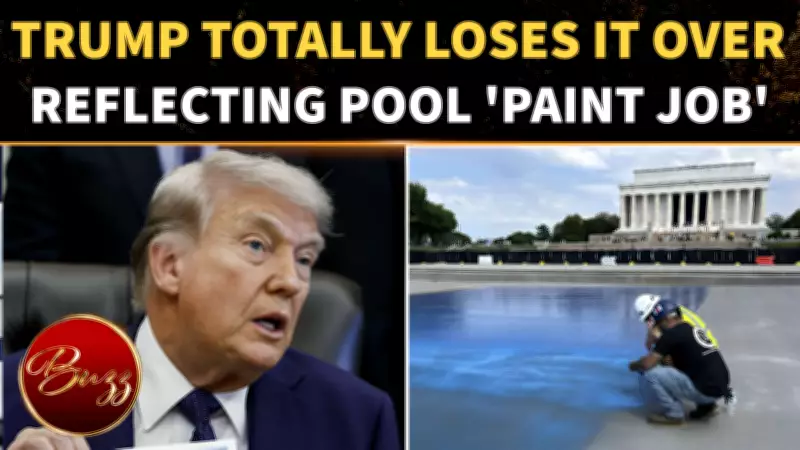
U.S. President Donald Trump is pushing back against criticism of the Lincoln Memorial Reflecting Pool renovation after reports questioned the project and its costs. As construction wraps up and water returns to the historic landmark, Trump has repeatedly prompted the makeover while defending the work against critics. Here's what happened, why the project has become controversial, and how it sparked a fresh political debate.
Background of the Renovation
The Lincoln Memorial Reflecting Pool, a iconic feature of the National Mall, underwent a significant renovation aimed at improving its structural integrity and aesthetic appeal. The project, which began several months ago, involved draining the pool, repairing the basin, and upgrading the water circulation system. The total cost has been a point of contention, with critics arguing that the funds could have been allocated to other pressing national needs.
Trump's Defense
President Trump took to social media to defend the renovation, calling it a necessary enhancement to one of America's most cherished landmarks. He emphasized that the project was under budget and ahead of schedule, despite reports suggesting otherwise. Trump also criticized the media for what he termed 'fake news' coverage of the renovation, accusing outlets of exaggerating costs and ignoring the benefits.

Controversy and Criticism
The controversy intensified when reports emerged detailing the expenses involved, including premium materials and specialized labor. Some lawmakers and historians questioned the prioritization of the project, especially amid ongoing debates over infrastructure and social programs. However, supporters argue that maintaining national monuments is a vital part of preserving American heritage.
Political Debate
The renovation has become a flashpoint in broader political discourse, with Trump using it to rally his base against perceived elitism and media bias. Critics, meanwhile, see it as an example of misplaced priorities. As the pool refills and the public regains access, the debate over its cost and significance continues to unfold.