Two Alleged Suicides Linked to Post-SIR Voter Roll Publication in West Bengal
In a concerning development, two individuals have allegedly committed suicide due to what is described as 'mental stress' following the publication of post-Special Intensive Revision (SIR) voter rolls in West Bengal. The incident has sparked significant political and public attention, with claims linking the deaths directly to the electoral process.
TMC Leader's Statement on the Deaths
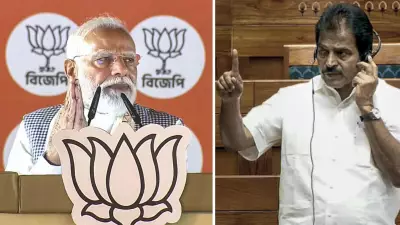
Trinamool Congress (TMC) national general secretary Abhishek Banerjee made a statement on March 2, 2026, asserting that since February 28, two persons have died as a result of panic related to the SIR voter rolls. Banerjee's comments highlight the potential psychological impact of the voter roll publication, suggesting it may have contributed to severe distress among residents.
The SIR process, aimed at updating and revising voter lists, is a critical component of electoral preparations in India. However, this incident raises questions about its implementation and the associated pressures on citizens. The alleged suicides underscore the need for careful handling of such administrative procedures to prevent adverse outcomes.

Context and Implications
West Bengal has been a focal point of intense political activity, with voter registration often becoming a contentious issue. The publication of post-SIR voter rolls is intended to ensure accuracy and inclusivity in the electoral database, but it can also lead to anxiety among individuals concerned about their voting rights or potential errors in the lists.
Mental stress from such processes is a serious concern, as it can exacerbate existing vulnerabilities. This case brings to light the broader issue of how electoral reforms and administrative actions affect public well-being, particularly in regions with high political stakes.
Response and Ongoing Developments
As of March 4, 2026, the situation remains under scrutiny, with authorities likely investigating the circumstances surrounding the deaths. The TMC's allegations have added a political dimension, potentially influencing public perception and policy discussions on voter roll management.
It is essential to consider the human element in electoral processes, ensuring that measures are in place to support individuals who may experience stress or confusion. This incident serves as a reminder of the importance of transparent communication and support systems during such critical updates.
Further details are awaited as the story develops, with implications for both electoral integrity and mental health awareness in West Bengal and beyond.