

Violence and Technical Glitches Disrupt West Bengal's First Phase of Polling in Murshidabad
The first phase of voting in West Bengal's Murshidabad district commenced under a cloud of tension, marked by violent clashes, serious allegations of voter intimidation, and widespread technical malfunctions in Electronic Voting Machines (EVMs). The turbulent atmosphere cast a shadow over the democratic process in this crucial electoral battleground.
Overnight Violence and Polling Day Clashes
The unrest began overnight when crude bombs were allegedly hurled near Shivnagar Primary School, resulting in injuries to at least one individual and creating widespread panic among residents. One victim recounted to news agency ANI, "I had stepped out yesterday to offer Namaz at around 8 pm... I was standing... two boys came and threw a bomb near my foot. Humayun Kabir's party workers have done this..." This incident set a volatile tone for the polling day.
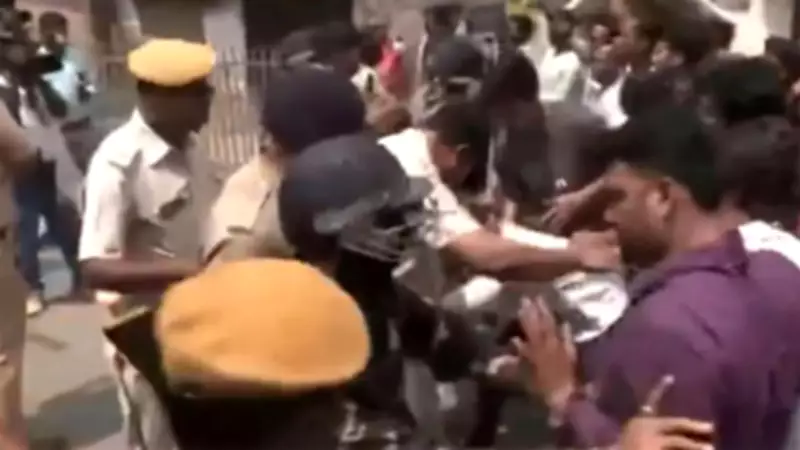
On Thursday, the violence escalated as a physical altercation broke out between workers of the ruling Trinamool Congress (TMC) and Aam Janata Unnayan Party (AUJP) founder Humayun Kabir during his visit to the affected area. Kabir, however, refuted the allegations, stating, "In Nowda, Rejinagar and all 22 seats of Murshidabad, peaceful elections are taking place. But in 2 booths of Nowda here, in number 9 and number 10, some incident happened overnight. They snatched the bags of local Police."

Allegations of Voter Intimidation and Fear
In Domkal, numerous voters came forward with claims that they were threatened and deliberately prevented from reaching polling stations to cast their votes. Residents in Raipur village reported that armed individuals had been present since the early hours of the morning, fostering an environment of fear and coercion. These serious allegations were primarily directed at the ruling TMC, which did not issue an immediate response to the accusations.
In response to the escalating situation, the Election Commission swiftly sought detailed reports on the incidents and subsequently deployed heavy security forces to the affected areas. Security personnel were tasked with escorting voters safely to polling booths to ensure that voting could resume without further disruption.
Widespread EVM Malfunctions and Delays
Compounding the chaos, technical glitches in EVMs led to significant delays or complete halts in voting at multiple booths across Murshidabad, including in Beldanga, Samsherganj, and Kandi. Similar issues were reported in other regions such as Nandigram, Malda, Cooch Behar, and Siliguri, indicating a broader technical challenge.
Congress candidate Sanjoy Adhikari expressed frustration over the situation, stating, "We have already lodged a complaint… Hundreds of voters are already standing in queues… and there’s no EC representative here who can tell us when polls will resume." This highlighted the logistical and communication gaps faced by voters and candidates alike.
Voter Turnout and Electoral Context
Despite the disruptions, polling across 152 constituencies began at 7 am as scheduled. By 9 am, a voter turnout of 18.76 percent had been recorded, reflecting the determination of citizens to participate in the electoral process despite the challenging circumstances. The incidents in Murshidabad underscore the intense political competition and security concerns prevalent in West Bengal's multi-phase elections.
The Election Commission's proactive measures, including the deployment of additional security and investigation into the allegations, aim to restore confidence and ensure the integrity of the remaining phases. However, the events of this first phase serve as a stark reminder of the vulnerabilities in the electoral framework and the need for robust mechanisms to safeguard democratic practices.






