

The West Bengal government has taken a significant step in the state legislative assembly by introducing a formal resolution that strongly criticizes the Election Commission of India. The resolution specifically addresses what the state government describes as 'hardships' and undue complications arising from the implementation of the Special Intensive Revision (SIR) process in the lead-up to the crucial assembly elections.
Assembly Resolution Condemns Election Commission Actions
During the assembly session, government representatives presented detailed arguments outlining how the Election Commission's procedures during the special intensive revision have created unnecessary burdens for both administrative officials and ordinary citizens. The resolution document formally records the state government's position that these administrative measures have crossed reasonable boundaries.
"Commission of Harassment" Allegation
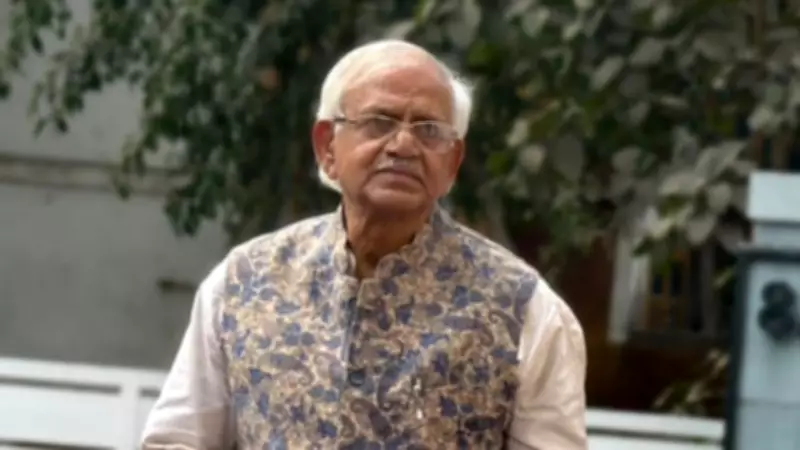
One of the most striking elements of the assembly debate was the direct criticism leveled against the Election Commission by government representatives. A prominent speaker in the assembly went so far as to assert that the constitutional body had effectively 'turned into a commission of harassment' through its actions during the pre-election period.

This strong language reflects the escalating tensions between the state government and the central election authority as West Bengal prepares for its next round of assembly polls. The characterization of the Election Commission as an institution causing harassment rather than facilitating democratic processes represents a significant escalation in political rhetoric.
Special Intensive Revision Process Under Scrutiny
The resolution specifically targets the Special Intensive Revision (SIR) process that the Election Commission has implemented in West Bengal. This comprehensive voter list verification and updating exercise, typically conducted before major elections, has become the focal point of the state government's complaints.
According to assembly discussions, the West Bengal government believes the SIR process has been implemented in a manner that creates:
- Unnecessary administrative burdens on state officials
- Confusion among voters regarding registration processes
- Procedural complications that may affect voter participation
- Resource strains on local election machinery
Political Context of the Resolution
The timing of this resolution is particularly significant as it comes during the crucial pre-election period when the Election Commission typically intensifies its oversight activities. Assembly elections in West Bengal represent one of India's most politically significant state-level contests, with substantial implications for both regional and national politics.
The resolution represents more than just procedural criticism—it reflects broader political tensions between the state government and central institutions. By formally recording its objections in the legislative assembly, the West Bengal government is creating an official record of its grievances that may have implications for future electoral processes and inter-governmental relations.
This development highlights the increasingly complex relationship between state governments and constitutional bodies like the Election Commission during election periods, particularly in politically sensitive states like West Bengal where electoral outcomes carry substantial weight in national political calculations.






