The Hardest Frontier: Why West Bengal May Be BJP's Toughest Electoral Test Yet
In a recent rally, Union Home Minister Amit Shah declared that while the Bharatiya Janata Party (BJP) and its NDA alliance govern 21 states and Union Territories, true satisfaction for Prime Minister Narendra Modi and party workers will only come when West Bengal is under their control. "There will be a smile on their faces when there is a BJP government in West Bengal," Shah emphasized, underscoring the state's pivotal role in the party's national ambitions.
A Bipolar Political Battle
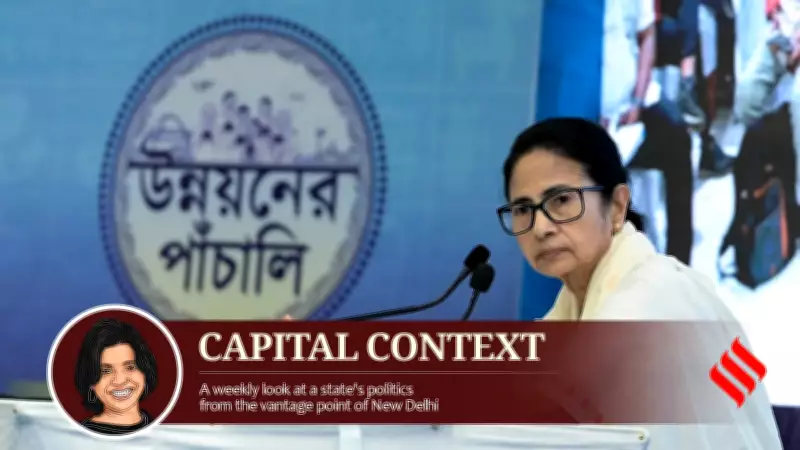
However, dislodging Chief Minister Mamata Banerjee and her Trinamool Congress (TMC), which seeks a fourth consecutive term, is no easy feat. With the Left Front and Congress nearly obliterated, Bengal politics has reverted to a bipolar clash. On one side stands Banerjee's charismatic leadership and populist welfare initiatives; on the other, the BJP's high-stakes strategy hinges on pan-Bengal Hindu consolidation, anti-incumbency sentiments, and a narrative branding the TMC as corrupt.
Demographics play a crucial role: an estimated 30%-plus Muslim population is expected to back the TMC, while Hindus, except in districts like Murshidabad, Malda, and Uttar Dinajpur, appear divided over supporting the BJP. The BJP's focus on alleged demographic imbalances in border districts and communal polarization has turned the Bengal elections into a volatile political tinderbox, with both sides vying for dominance.

Advantage TMC: Resilience Amid Scandals
Banerjee's third term has faced turbulence, with the BJP emerging as the primary opposition force after winning 77 seats in the 2021 polls. The TMC was rocked by scandals, including the Sandeshkhali violence, the R G Kar rape-murder case, and the teacher's recruitment scam. Yet, Banerjee has demonstrated remarkable resilience through a blend of political theatre, welfare measures, and appeals to Bengali pride.
Her recent appearance in the Supreme Court to argue against the Special Intensive Revision (SIR) of electoral rolls and her dramatic snatching of party documents during an Enforcement Directorate raid exemplify her combative style. Accused of failing to generate jobs, she has resorted to cash transfers targeting women, youth, and workers like ASHA and anganwadi staff, who form her core support base.
Muslim voters, another pillar of TMC support, have shown discontent over some groups being dropped from the OBC list, but fears of exclusion from voter rolls and the prospect of a BJP government are likely to keep them aligned with Banerjee. "The hearing of logical discrepancies has the potential to change the political lines. The final list will bring about a new political situation," noted a TMC MP, highlighting the critical role of voter roll revisions.
BJP's Challenges: Organizational Hurdles and Leadership Gaps
The BJP draws confidence from recent electoral victories in states like Maharashtra, Haryana, Delhi, and Bihar, along with the enduring appeal of Narendra Modi. However, organizationally, it struggles to match the TMC's grassroots strength. Senior BJP leader Bhupender Yadav, appointed in charge of West Bengal only last September, has worked to bolster the party's network, but challenges persist.
A significant issue is the lack of a mass leader to rival Mamata Banerjee. While Suvendu Adhikari is the most popular BJP figure, internal dissent from senior party members who question his loyalty—given his past as Banerjee's top lieutenant—complicates matters. The appointment of Samik Bhattacharya as state BJP president aims to mediate between factions and mobilize key groups like OBCs and the Matuas, a Dalit religious community.
The Matuas' support was instrumental in the BJP's 2019 Lok Sabha success, where it won 18 seats in West Bengal. However, concerns over SIR and internal rifts within the Matua leadership, such as public disputes between BJP leaders Shantanu Thakur and his brother Subrata Thakur, raise doubts about replicating that performance. Additionally, the BJP hopes that developments in neighboring Bangladesh will consolidate Hindu votes, particularly in north Bengal where it is strongest.

Other Players: Shrinking Footprints and Emerging Alliances
The Congress and Left Front, whose influence has rapidly declined over the past decade, are not contesting the Bengal elections for the first time since 2016. Their focus remains on rebuilding, with little chance of making a significant impact. Meanwhile, the Indian Secular Front, linked to the Furfura Sharif shrine, and former TMC leader Humayun Kabir's Janata Unnayan Party have drawn TMC attention.
Kabir's recent foundation-laying for a Babri Masjid replica in Murshidabad could fuel polarization, potentially harming the TMC more than the BJP. While these parties do not pose a direct threat to TMC's minority vote bank, they contribute to the political unease in the state.
As West Bengal gears up for a high-stakes electoral battle, the BJP's quest for power faces formidable obstacles in Mamata Banerjee's entrenched support base and strategic maneuvers. The outcome will not only shape Bengal's future but also test the limits of the BJP's national expansion.