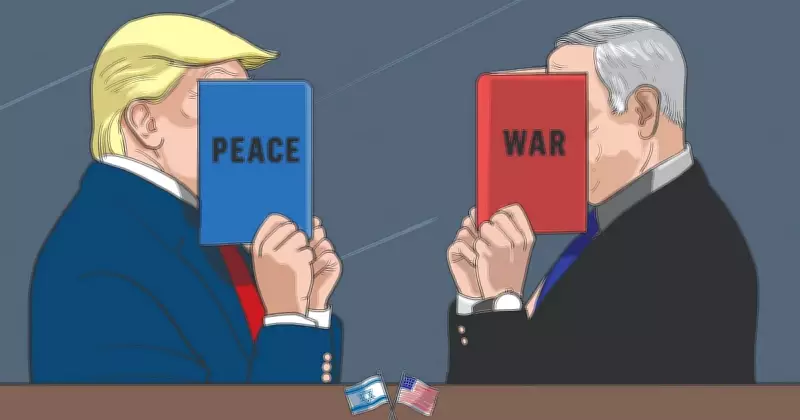
From Nehru's invitation to be mocked to today's meme-fuelled wars and anxieties, the political cartoon endures as a sharp satirical mirror, one that those in power are still wary of facing, writes Savitha Karthik.
The Enduring Power of Satirical Art
Political cartoons have long served as a potent form of commentary, wielding humor and exaggeration to critique authority. Their ability to distill complex issues into a single, biting image makes them uniquely effective—and threatening—to those in power.
Historical Roots: From Punch to Modern Memes
The tradition dates back to publications like Punch, whose satirical illustrations mocked Victorian politics. In India, Shankar's cartoons for Shankar's Weekly famously lampooned Jawaharlal Nehru, who reportedly welcomed the ridicule as a sign of a healthy democracy. Today, digital memes have inherited this legacy, spreading viral critiques that can topple reputations overnight.

Why Cartoons Still Rattle the Powerful
Unlike written articles, cartoons bypass rational filters and strike directly at emotions. A well-drawn caricature can immortalize a leader's folly, making it harder to dismiss. Governments often respond with censorship or lawsuits, revealing their unease with unfettered satire.
The Modern Battlefield: Memes and Anxieties
In the age of social media, political cartoons have evolved into shareable memes, amplifying their reach but also their risks. Misinterpretation and backlash are common, yet the genre persists as a vital check on power.
As Savitha Karthik notes, the ink that bites remains as relevant as ever—a reminder that laughter can be the sharpest weapon against tyranny.