The Dual Challenge for Gender Equality: Seats and Mindsets
In the ongoing quest for gender equality, a critical debate has emerged that goes beyond mere numerical representation. While reserved seats for women in political bodies are often championed as a necessary step, experts argue that this alone is insufficient without a parallel transformation in societal mindsets, especially among men. This dual challenge highlights the complex interplay between structural reforms and cultural shifts needed to achieve true parity.
The Limitations of Reserved Seats
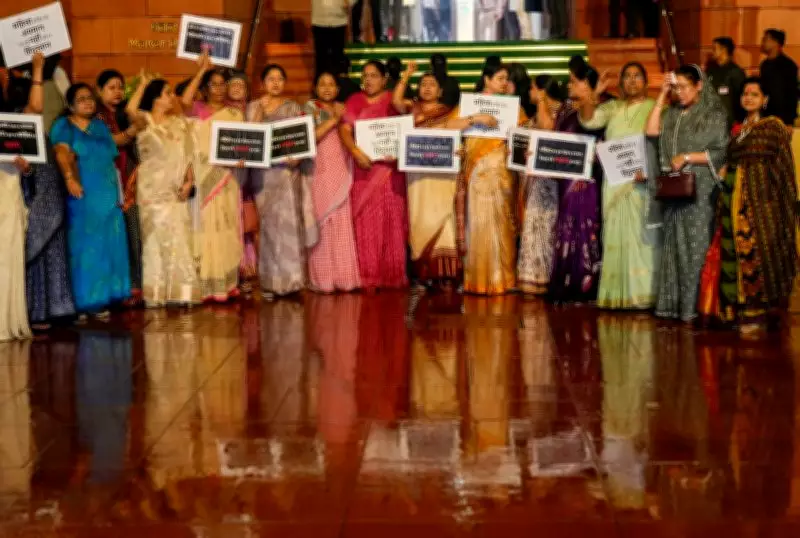
Reserved seats for women in legislatures and local governance have been implemented in various countries, including India, as a means to increase female participation in decision-making processes. These measures have undeniably led to a rise in the number of women holding political office, providing them with a platform to voice concerns and influence policy. However, the effectiveness of such quotas is often hampered by persistent patriarchal attitudes that view women as mere tokens or proxies for male relatives.
In many cases, women elected through reserved seats face significant obstacles, including lack of support from male colleagues, limited access to resources, and societal expectations that confine them to traditional roles. This underscores that while seats can open doors, they do not automatically dismantle the deep-seated biases that hinder women's full and equal participation in public life.

The Need for Mindset Change Among Men
A fundamental shift in mindsets, particularly among men, is essential to complement legislative measures. Societal norms and cultural practices often perpetuate gender stereotypes, relegating women to subordinate positions and undervaluing their contributions. Men, as key stakeholders in both public and private spheres, must actively challenge these norms and embrace egalitarian values.
This involves rethinking notions of leadership, power, and domestic responsibilities. Educational initiatives, media campaigns, and community dialogues can play a pivotal role in fostering this change by promoting gender sensitivity and highlighting the benefits of inclusive governance. Without such a cultural transformation, reserved seats risk becoming symbolic gestures rather than catalysts for substantive progress.
Integrating Structural and Social Reforms
To achieve meaningful gender equality, a holistic approach is required that integrates structural reforms with social interventions. Reserved seats should be part of a broader strategy that includes:
- Capacity-building programs to empower women with skills and confidence to navigate political landscapes.
- Legal protections against discrimination and harassment in political arenas.
- Grassroots movements that engage men and boys in advocating for gender justice.
- Policy incentives to encourage political parties to field more women candidates in general seats.
By addressing both the institutional barriers and the cultural underpinnings of gender inequality, societies can move closer to a future where women's participation is not just mandated but genuinely valued and supported.
Conclusion: A Call for Comprehensive Action
The journey toward gender equality is multifaceted, demanding more than just reserved seats for women. It necessitates a concerted effort to reshape mindsets, particularly among men, to foster an environment where women can thrive as equal partners in governance. As nations strive for inclusive development, embracing this dual challenge will be crucial in building more equitable and just societies for all.