

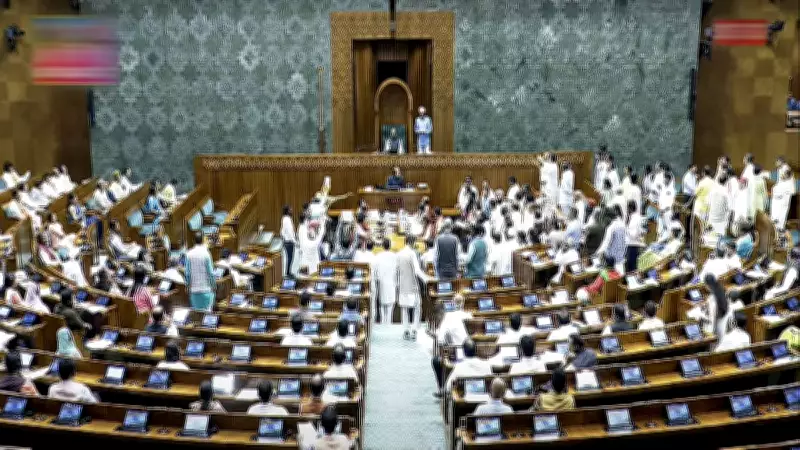
Budget Session 2026 Descends into Chaos Amid Opposition Protests
The Parliament of India's Budget Session for 2026 has been plunged into significant turmoil, with both the Lok Sabha and Rajya Sabha witnessing intense disruptions and protests. The opposition, spearheaded by the Congress party and joined by other political factions, has launched a massive demonstration, bringing parliamentary proceedings to a standstill over two critical issues: the ongoing crisis in the supply of LPG gas cylinders and the escalating conflict in West Asia.
LPG Cylinder Shortage Sparks Widespread Outrage
At the heart of the protests is a severe shortage of LPG cylinders across the nation, which has left millions of households struggling to access essential cooking fuel. Opposition members have vehemently criticized the government for what they describe as a failure in managing the supply chain and ensuring adequate distribution. They argue that the crisis has disproportionately affected rural and low-income families, exacerbating economic hardships.
During the session, opposition leaders highlighted numerous reports of long queues at gas agencies and skyrocketing prices in the black market. They demanded immediate government intervention to resolve the supply issues and provide relief to affected citizens. The protests included sloganeering, walkouts, and the display of placards inside the Parliament chambers, reflecting the depth of public anger.

West Asia Conflict Adds to Parliamentary Tensions
In addition to the domestic LPG crisis, the opposition has also raised strong objections regarding India's stance on the ongoing conflict in West Asia. Members expressed concerns over the humanitarian impact and regional instability, calling for a more proactive diplomatic approach from the government. They emphasized the need for India to play a constructive role in promoting peace and stability in the region, given its strategic interests and large diaspora.
The dual focus on both domestic and international issues has intensified the parliamentary deadlock, with opposition parties refusing to allow normal business until their demands are addressed. This has led to repeated adjournments and a complete halt in the discussion of budgetary matters, which are typically the centerpiece of this session.
Government Response and Session Impact
In response to the protests, government representatives have defended their policies, citing global supply chain challenges and geopolitical complexities as contributing factors to the LPG shortage and West Asia situation. They assured Parliament that measures are being taken to alleviate the cylinder crisis and that India is engaged in diplomatic efforts to address the conflict.
However, the opposition has remained unconvinced, leading to a protracted standoff. The disruptions have significantly impacted the legislative agenda, delaying key debates and approvals related to the Union Budget for 2026. Political analysts note that such protests highlight the deepening political divides and the challenges of governance in addressing both urgent domestic needs and complex international issues.
As the Budget Session continues, all eyes are on whether a resolution can be reached to restore order and allow Parliament to function effectively. The outcome may have lasting implications for policy-making and public trust in the government's ability to handle crises.

