

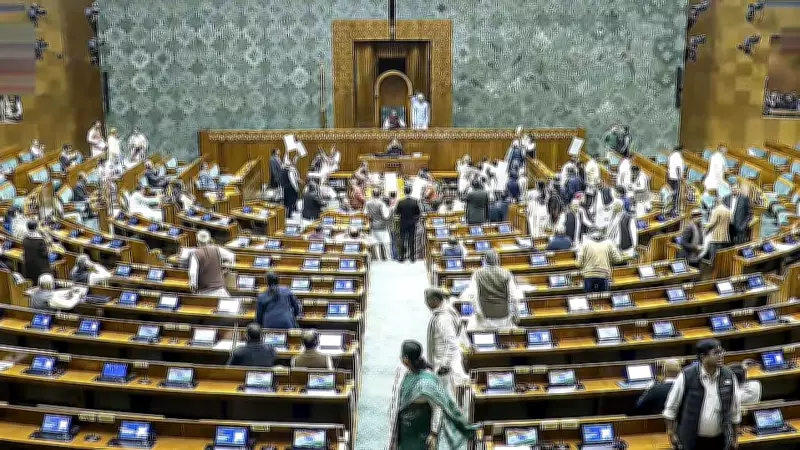
Budget Session Faces Early Adjournment Amid State Election Preparations
In a significant development, the Indian government has hinted at an early conclusion to the ongoing Budget session of Parliament. This move is primarily driven by the need for ministers and lawmakers to actively participate in campaigning for the upcoming state elections, which are seen as a critical political battleground.
Strategic Shift in Legislative Calendar
According to a senior floor manager from the ruling party, the decision to potentially shorten the session reflects a strategic prioritization of electoral politics over immediate legislative business. The official, who spoke on condition of anonymity, indicated that the government is keen to ensure its key members can dedicate sufficient time and resources to the state poll campaigns, which are expected to be highly competitive.
This adjustment in the parliamentary schedule underscores the intense focus on state-level politics, as these elections are often viewed as a barometer for national sentiment and can influence future policy directions. The early end would allow ministers to travel to their constituencies and engage with voters without the constraints of parliamentary duties.

Postponement of Key Amendments
One of the notable implications of this early adjournment is the delay in introducing proposed amendments to the Nari Shakti Adhiniyam, a significant piece of legislation aimed at empowering women. The senior party official clarified that these amendments are not being abandoned but are likely to be tabled during a special session of Parliament that could be convened after the state elections conclude.
This postponement ensures that the legislative process does not get rushed or overshadowed by electioneering, allowing for more thorough deliberation and debate once the political climate stabilizes. The Nari Shakti Adhiniyam amendments are part of broader efforts to enhance gender equality and women's rights in India, making their careful consideration paramount.
Broader Political Context and Implications
The decision to potentially end the Budget session early comes at a time when the government is balancing multiple priorities:
- Electoral Strategy: State elections are crucial for consolidating political power and testing public support for government policies.
- Legislative Agenda: While some bills may be deferred, the government aims to pass essential legislation before the session ends to avoid a backlog.
- Public Perception: Managing the parliamentary calendar effectively can help project an image of governance that is responsive to both legislative and electoral demands.
Observers note that such adjustments are not uncommon in Indian politics, where election cycles often influence parliamentary schedules. However, this move highlights the increasing interplay between state and national politics, with campaigns requiring significant attention from top leaders.
Looking Ahead: Special Session on the Horizon
If the Budget session concludes early, the government plans to call a special session post-elections to address pending legislative matters, including the Nari Shakti Adhiniyam amendments. This approach allows for a focused period of lawmaking without the distractions of campaigning, potentially leading to more productive discussions and outcomes.
The senior floor manager emphasized that the government remains committed to its legislative agenda, but timing is being adjusted to align with political realities. As state polls loom, the early end to the Budget session could set a precedent for how future parliamentary schedules are managed during election seasons.

