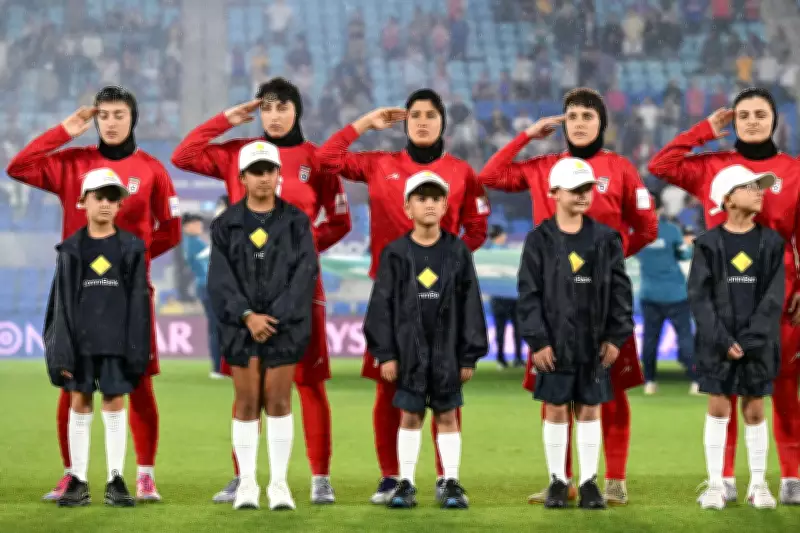
Fifth Iranian Women's Football Player Departs Australia, Leaving Only Two Remaining
In a significant development, a fifth member of the Iran women's national football team, who had initially accepted a humanitarian visa to remain in Australia, has now left the country, as confirmed by officials on Monday. This departure reduces the number of players still in Australia to just two, following a series of exits linked to the ongoing conflict in the Middle East.
Details of the Departure and Background
According to the office of Australian Home Affairs Minister Tony Burke, the player departed shortly before midnight on Sunday. Her exit came after the departure of two teammates and a member of the team's support staff, who had flown from Sydney to Kuala Lumpur on Saturday. This series of movements has drawn international attention, highlighting the complex interplay between sports, politics, and humanitarian concerns.
Iran's squad had travelled to Australia to participate in the AFC Women's Asian Cup last month. However, the situation took a dramatic turn after war broke out in the Middle East on February 28 while the team was still in the country. Out of the 26-member squad, six players and one support staff member initially accepted humanitarian visas offered by Australia to remain when the rest of the Iranian delegation left Sydney for Malaysia on March 10. One of those players later reconsidered her decision and returned with the team.

Current Status and International Reactions
The latest departure means only two members from the original group that chose to stay in Australia remain in the country. Iran's state-linked Tasnim News Agency reported that the three who left earlier had reunited with their teammates and were returning to the warm embrace of their family and homeland. This episode had drawn international attention after the Iranian players did not sing the national anthem before their opening match, raising concerns about their safety if they returned to Iran.
The Australian government had also faced calls from Iranian diaspora groups and former U.S. President Donald Trump to assist the players. The situation underscores the broader geopolitical tensions and humanitarian issues at play, with sports serving as a microcosm of larger conflicts.
Implications and Broader Context
This case highlights the challenges faced by athletes in conflict zones and the role of host countries in providing humanitarian support. The decisions of these players reflect personal safety concerns amid political instability. As the Middle East conflict continues, such incidents may become more common, testing international sports diplomacy and humanitarian policies.
Key points to note:
- The departure reduces the number of Iranian players in Australia to two.
- Humanitarian visas were offered due to war breaking out in the Middle East.
- International pressure and safety concerns influenced the players' decisions.
This story continues to evolve, with potential implications for future sporting events and international relations involving Iran and other conflict-affected nations.