

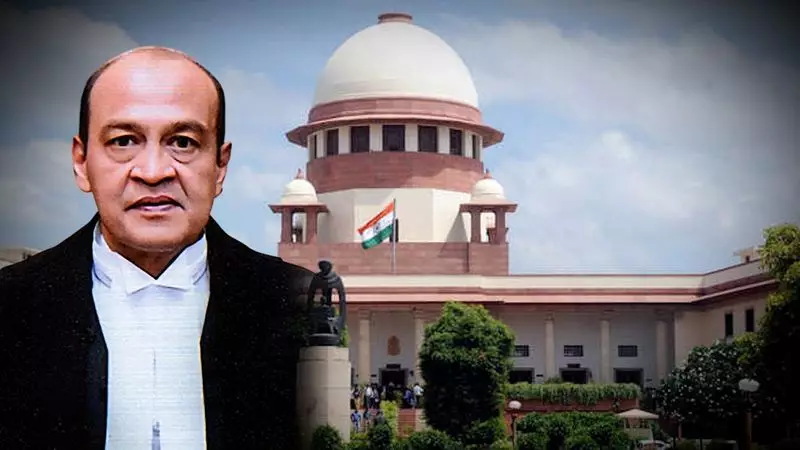
In a significant development concerning parliamentary proceedings, Delhi High Court judge Justice Yashwant Varma has formally opposed a move by Lok Sabha Speaker Om Birla. The Speaker had sought to constitute a Supreme Court-led inquiry committee to probe allegations against him related to the suspension of Members of Parliament.
The Core of the Opposition
Justice Varma, who is part of a two-judge bench hearing a petition on the matter, expressed his clear disagreement with the Speaker's proposed action. The petition in question was filed by suspended MP Raghav Chadha. It challenges the constitution of a privileges committee to investigate charges against him. The central issue revolves around the suspension of 146 opposition MPs during the Winter Session of Parliament in December 2023. This mass suspension followed a major security breach incident within the Lok Sabha chamber.
The judge questioned the necessity and propriety of the Speaker approaching the Supreme Court to form an inquiry panel. He pointedly asked why the Speaker, a high constitutional authority, was seeking the top court's intervention in what is fundamentally a House proceeding matter. Justice Varma emphasized that the Speaker possesses inherent powers to address issues of privilege and discipline within Parliament.

Context of the Suspensions and Legal Challenge
The backdrop of this legal tussle is the unprecedented suspension of a large number of opposition MPs. They were suspended for allegedly disrupting proceedings while demanding a statement from the government regarding the Parliament security breach. MP Raghav Chadha, one of the suspended members, approached the court arguing that the privileges committee formed to look into his conduct was not properly constituted.
During the hearing, Justice Varma made his stance unequivocal. He stated he would not be part of any judicial order that directs the Speaker of the Lok Sabha to approach the Supreme Court for forming a committee. This position underscores a key constitutional principle: the separation of powers and the autonomy of legislative institutions in managing their internal affairs.
Implications for Parliamentary Autonomy
The judge's opposition raises profound questions about the boundaries between the judiciary and the legislature. By suggesting that the Speaker should utilize the powers already vested in his office, Justice Varma's view reinforces the concept of parliamentary sovereignty in its domain. It signals a reluctance from the judiciary to step into procedures that are traditionally the purview of the House and its Speaker.
The development is being closely watched by constitutional experts. It touches upon the delicate balance of power among the pillars of democracy. The Speaker's move to seek an SC-led panel was seen by some as an effort to ensure impartiality. However, Justice Varma's intervention highlights an alternative perspective that values the existing institutional mechanisms within Parliament itself.
The next steps in this case will be crucial. The bench, also comprising Justice Dharmesh Sharma, has adjourned the hearing. The court's final decision on whether the Speaker can or should constitute a Supreme Court inquiry committee will set a significant precedent. It will define the extent of judicial involvement in parliamentary privilege matters and impact how similar disputes are handled in the future.






