

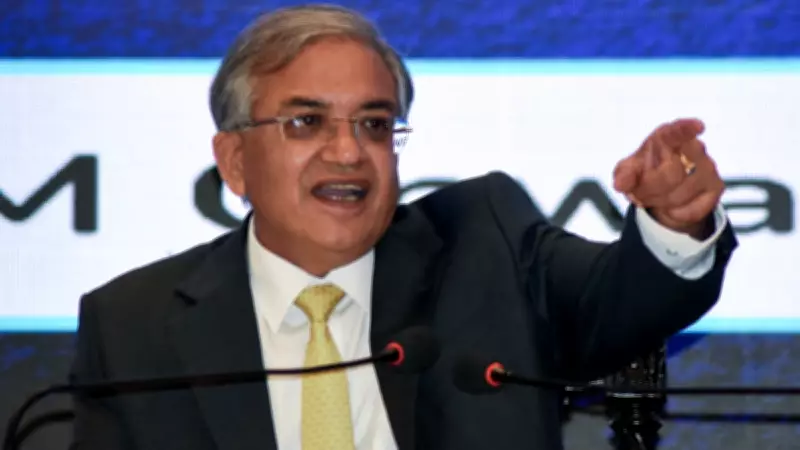
Opposition Gears Up for Impeachment Motion Against Chief Election Commissioner Gyanesh Kumar
In a significant political development, opposition parties are poised to initiate an impeachment motion in Parliament on Thursday, targeting Chief Election Commissioner (CEC) Gyanesh Kumar for removal from office. According to sources familiar with the matter, this move underscores deepening tensions over electoral governance and transparency in India.
Impeachment Motion Details and Parliamentary Procedure
The impeachment motion is expected to be tabled in the Lok Sabha, following established constitutional protocols. Under Article 324 of the Indian Constitution, the removal of an Election Commissioner requires a motion passed by both houses of Parliament with a special majority. Sources indicate that opposition leaders have been coordinating efforts to gather support for this motion, citing alleged lapses in the conduct of recent elections and concerns about the impartiality of the Election Commission under Kumar's leadership.
Key aspects of the motion include:

- Grounds for Removal: The opposition is likely to cite violations of electoral laws and procedural irregularities as primary reasons for seeking Kumar's impeachment.
- Timing and Strategy: The motion is scheduled for Thursday, aligning with parliamentary sessions to maximize visibility and debate.
- Political Implications: This action could escalate political confrontations, especially in the lead-up to future elections, highlighting partisan divides over electoral integrity.
Background on CEC Gyanesh Kumar and Election Commission Controversies
Gyanesh Kumar, who assumed the role of Chief Election Commissioner in early 2025, has faced scrutiny from opposition parties over several decisions. Critics argue that his tenure has been marked by controversies, including allegations of bias in election scheduling and handling of electoral disputes. Supporters, however, defend his actions as necessary for maintaining electoral discipline and efficiency.
The Election Commission of India, a constitutional body responsible for administering elections, has been at the center of debates regarding its autonomy and effectiveness. Recent years have seen increased calls for reforms to enhance transparency and reduce political interference, making Kumar's position a focal point in these discussions.
Potential Outcomes and Reactions
If the impeachment motion proceeds, it could trigger a heated parliamentary debate, with both sides presenting arguments for and against Kumar's removal. Legal experts note that such motions are rare and require substantial evidence to succeed, given the high threshold for removal under constitutional provisions.
Anticipated reactions include:
- Government Response: The ruling party is expected to oppose the motion, defending Kumar's record and emphasizing the need for stability in electoral institutions.
- Public and Media Scrutiny: This development is likely to attract widespread media coverage, influencing public opinion on electoral governance and political accountability.
- Long-term Impact: Regardless of the outcome, the motion could set precedents for future interactions between political parties and constitutional bodies, shaping electoral reforms and institutional trust.
As Thursday approaches, all eyes are on Parliament, where this impeachment motion could mark a pivotal moment in India's political landscape, reflecting broader struggles over democratic norms and institutional integrity.

