

A crucial parliamentary committee meeting on Wednesday witnessed intense debate over the role of opposition parties in scrutinising a set of bills aimed at cleansing politics of criminal elements. The discussions centred on whether to invite boycotting opposition parties for their views and the potential implications for leaders of opposition.
Core Provisions and a Governance Loophole
The Joint Committee of Parliament, led by BJP MP Aparajita Sarangi, is examining the Constitution (130th Amendment) Bill and two related bills. These proposed laws seek the automatic removal from office of the Prime Minister, Chief Ministers, and ministers if they are under arrest for 30 days or more on serious criminal charges.
During the deliberations, a BJP Member of Parliament highlighted a critical potential loophole. The MP pointed out a scenario where the governing party might refuse to name a replacement for a PM or CM removed due to detention. This, they argued, could cripple governance, especially during a national or state crisis. To prevent this, the MP suggested amending the bill to legally empower the President of India or a state Governor to use their discretion in appointing a replacement if one is not forthcoming from the ruling party.

Opposition Boycott and Committee's Dilemma
The committee's work is proceeding without most major opposition parties. The Congress and several others have refused to join, denouncing the bill as unconstitutional and politically motivated. They had ignored repeated suggestions by Lok Sabha Speaker Om Birla to participate in the panel.
Currently, the committee has only two opposition MPs among its members: Supriya Sule of NCP(SP) and AIMIM's Asaduddin Owaisi. When one of them proposed inviting other opposition parties to offer their views on the bill, several MPs questioned the move, noting their prior refusal to join. Members also raised a query on whether the Leader of Opposition (LoP) in Parliament or state assemblies could be removed under the bill's provisions. It was clarified that while LoPs enjoy certain government protocols, they are not part of the executive and thus are not covered by the current draft of the bill.
Expert Views on Decriminalisation Drive
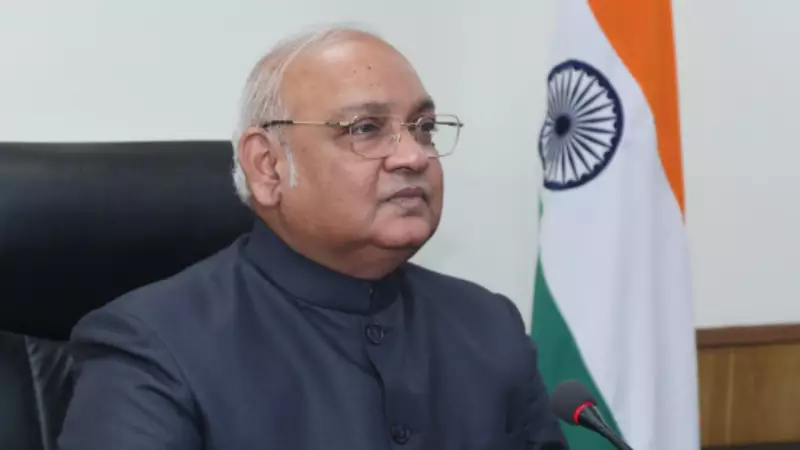
Key legal experts shared their perspectives with the committee. Law Commission of India chairperson Dinesh Maheshwari was among the prominent figures who presented their views. Sri Krishna Deva Rao, the Vice-Chancellor of Hyderabad's National Academy of Legal Studies and Research (NALSAR), also participated.
Sources indicated that both experts, along with committee members, put forward several suggestions. Crucially, Maheshwari and Rao agreed with the fundamental idea behind the bill—the overarching objective of decriminalising politics in India. The committee continues to deliberate on the technical and constitutional aspects of the proposed legislation amidst the political impasse.






