

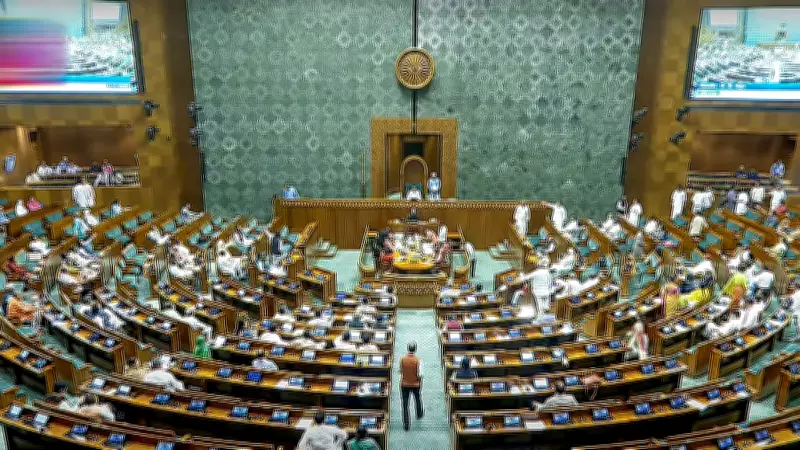
Parliamentary Panel Calls for Expedited Passage of AMASR Act Amendment
A parliamentary committee has strongly recommended the swift passage of the proposed amendment to the Ancient Monuments and Archaeological Sites and Remains (AMASR) Act, 1958. This move aims to bolster the protection and management of India's rich cultural heritage while addressing procedural bottlenecks that have hindered conservation efforts.
Key Recommendations and Objectives
The panel's report emphasizes the need for expeditious legislative action to update the decades-old AMASR Act. The proposed amendments are designed to:
- Enhance legal frameworks for safeguarding ancient monuments and archaeological sites.
- Streamline approval processes for construction and development activities near protected areas.
- Incorporate modern conservation techniques and technologies into heritage management.
- Address ambiguities in existing provisions to prevent legal disputes and delays.
According to the committee, these changes are crucial for balancing heritage preservation with urban development, ensuring that India's historical assets are protected without stifling growth.

Implications for Heritage Conservation
The AMASR Act amendment bill seeks to introduce more flexible and efficient mechanisms for managing protected sites. This includes:
- Revised zoning regulations to clearly define prohibited and regulated areas around monuments.
- Enhanced penalties for unauthorized construction and vandalism of archaeological sites.
- Greater involvement of local communities in conservation initiatives to foster stewardship.
- Improved coordination between central and state authorities for better enforcement.
The parliamentary panel highlighted that the current act, enacted over six decades ago, requires modernization to tackle contemporary challenges such as rapid urbanization and environmental threats.
Next Steps and Legislative Process
With the committee's endorsement, the amendment bill is now poised for consideration and debate in Parliament. The panel has urged both houses to prioritize its passage to avoid further delays in heritage protection efforts.
Stakeholders, including archaeologists, historians, and urban planners, have welcomed the recommendations, noting that timely amendments could significantly improve the preservation of India's cultural legacy. The government is expected to table the bill in the upcoming parliamentary session, with hopes for bipartisan support given the non-controversial nature of heritage conservation.
In conclusion, the parliamentary panel's push for the AMASR Act amendment underscores a renewed commitment to safeguarding India's archaeological treasures. By advocating for expedited legislative action, the committee aims to ensure that future generations can continue to appreciate and learn from the nation's historical monuments and sites.

