Parliament Budget Session Grinds to a Halt Amid Opposition Protests and No-Trust Motion Threat
The ongoing Budget Session of the Indian Parliament has descended into a state of complete deadlock, with proceedings in both the Lok Sabha and Rajya Sabha being repeatedly disrupted. This stalemate stems primarily from vehement opposition protests targeting remarks made by Congress leader Rahul Gandhi during a recent Lok Sabha debate. The political impasse has effectively put crucial legislative business, including discussions on the highly anticipated Union Budget for 2026, on indefinite hold.
Rahul Gandhi's Lok Sabha Address Sparks Fierce Political Backlash
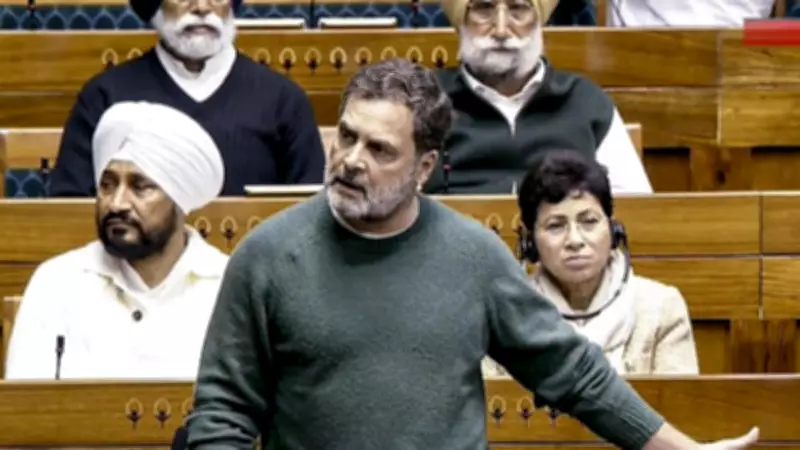
At the heart of the parliamentary turmoil are comments delivered by Rahul Gandhi, the Leader of the Opposition in the Lok Sabha. His speech, which critiqued the current government's policies and leadership, has been met with fierce condemnation from treasury benches. Members of the ruling coalition have labeled the remarks as "unparliamentary" and "defamatory," demanding an immediate apology and the expungement of his statements from official records.
The opposition, however, has rallied behind Gandhi, asserting his right to free speech within the parliamentary framework and accusing the government of attempting to muzzle dissent. This clash has led to chaotic scenes, with slogan-shouting, walkouts, and adjournments becoming the norm, thereby paralyzing the session's productivity.

No-Confidence Motion Looms as Budget Discussions Are Shelved
Compounding the crisis, opposition parties have given clear indications that they are preparing to move a formal no-confidence motion against the Narendra Modi-led government. While the motion has not yet been formally tabled, the threat hangs heavily over the proceedings, further intensifying the political atmosphere. Parliamentary experts note that such a motion, if introduced, would mandate a dedicated debate, pushing all other agenda items, including the critical Union Budget 2026, to the sidelines.
The Union Budget for the fiscal year 2026-27 is one of the most significant items on the session's agenda. Its presentation and the subsequent debate are constitutionally mandated processes essential for government funding and policy implementation. The current deadlock now risks delaying this entire process, potentially causing administrative and economic uncertainties.
Wider Context: From Army Chief's Book to Institutional Tensions
The parliamentary standoff is unfolding against a backdrop of other significant national developments. Notably, the publication of a book by former Army Chief General M.M. Naravane by Penguin India has also entered the political discourse, with some parties referencing it in the ongoing debates about governance and national security.
This session's breakdown highlights the deepening political fractures and the challenges of conducting legislative business in a charged environment. The stalemate raises serious questions about the functioning of democratic institutions and the ability of Parliament to fulfill its core duties of deliberation, legislation, and holding the executive accountable.
As the impasse continues, all eyes are on whether political leaders can find a path to dialogue and allow the Parliament to resume its vital work on the budget and other pressing national issues. The coming days will be crucial in determining the session's outcome and its impact on India's political and economic trajectory.