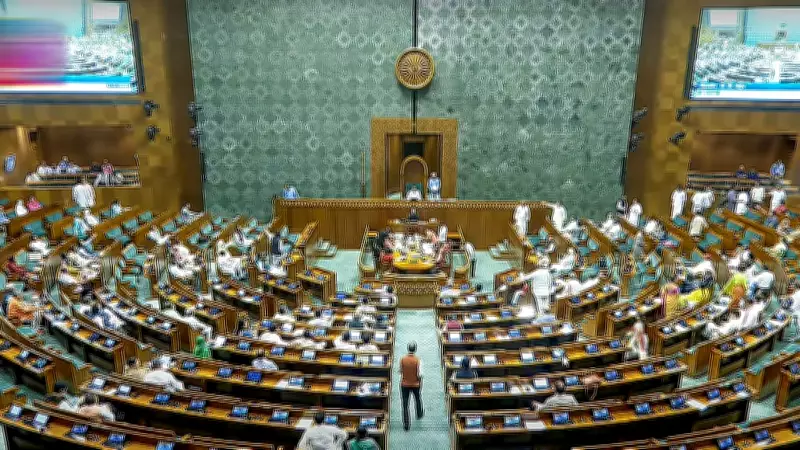
Decoding the Language of India's Parliament
In the hallowed halls of India's Parliament, Members of Parliament (MPs) often use specialized terms that can be confusing to the general public. Understanding these terms is crucial for grasping the nuances of legislative proceedings and democratic discourse. This article delves into the meanings of 'yield', 'authentication', and 'zero hour', shedding light on their significance in parliamentary practice.
What Does 'Yield' Mean in Parliamentary Context?
In parliamentary parlance, 'yield' refers to the act of giving up the floor or allowing another member to speak during a debate. When an MP yields, they temporarily cede their speaking time to a colleague, often to facilitate questions, clarifications, or interjections. This practice promotes orderly discussion and ensures that diverse viewpoints are heard without disruption. Yielding is a common courtesy that helps maintain decorum and efficiency in both the Lok Sabha and Rajya Sabha, enabling smoother exchanges on critical issues.
The Role of 'Authentication' in Parliamentary Proceedings
Authentication in Parliament pertains to the official verification and recording of documents, such as bills, statements, and reports, that are tabled in the House. A key authentic source for this process is the Table Office, located outside the Lok Sabha or Rajya Sabha chambers. The Table Office is responsible for certifying the authenticity of legislative materials, ensuring they are properly documented and accessible for reference. This authentication is vital for maintaining transparency and accuracy in parliamentary records, as it confirms which items were formally presented during sessions.

Understanding 'Zero Hour' in Indian Parliament
Zero Hour is a unique feature of India's parliamentary system, occurring immediately after Question Hour. During this time, MPs can raise matters of urgent public importance without prior notice. Unlike other agenda items, Zero Hour allows for spontaneous discussions on pressing issues, though speeches are typically limited to a few minutes. This period serves as a platform for highlighting emergencies, scandals, or other immediate concerns, fostering accountability and responsiveness in governance. It is a critical tool for MPs to draw attention to matters that might otherwise be overlooked in scheduled debates.
The Importance of the Table Office in Authentication
The Table Office plays a pivotal role in the authentication process within Parliament. Situated outside the main chambers, it acts as the authoritative source for verifying which bills, statements, or reports were officially tabled. By maintaining meticulous records, the Table Office ensures that all legislative actions are accurately documented, preventing disputes and enhancing the credibility of parliamentary proceedings. This function underscores the importance of institutional mechanisms in upholding the integrity of India's democratic processes.
In summary, terms like 'yield', 'authentication', and 'zero hour' are integral to the functioning of India's Parliament. They facilitate structured debates, ensure document integrity, and provide avenues for urgent discussions. As citizens, understanding these concepts enriches our appreciation of parliamentary democracy and its mechanisms for governance and accountability.