

Bengaluru's Expensive Tunnel Project Under Government Scanner
The proposed 2.2-kilometer 'short tunnel' connecting Hebbal to the Veterinary College campus on Ballari Road in Bengaluru has come under serious scrutiny from the state's urban development department (UDD). The department has raised significant concerns about the project's high cost and potential impact on other major infrastructure initiatives in the city.
The UDD has formally sought detailed clarifications from both B-SMILE and the Bangalore Development Authority (BDA) regarding four key aspects of the tunnel proposal. This development comes after the finance department expressed reservations about the tunnel's feasibility and substantial financial requirements.
Financial Concerns and Project Viability
According to official communications, the UDD has labeled the tunnel project as 'expensive' compared to alternative solutions. The department pointed out that a standard surface road could achieve similar transportation outcomes at nearly one-tenth of the cost of the proposed tunnel.

The tunnel project, originally conceived by B-SMILE using the cut-and-cover method and later transferred to BDA for execution, carries an estimated price tag of Rs 2,215 crore. The UDD has highlighted that BDA's funding strategy relies heavily on earning Rs 10,000 crore through asset monetization by March 2026—a revenue stream that faces significant market and regulatory risks.
The department's formal letter to both agencies emphasizes that the preference for a tunnel appears driven solely by the Karnataka Veterinary, Animal and Fisheries Sciences University's (KVAFSU) refusal to permit a surface road through its Hebbal campus. However, the UDD considers this justification insufficient given the enormous cost differential.
Impact on Larger Infrastructure Projects
The proposed short tunnel creates additional complications by potentially undermining the financial viability of the larger 17-kilometer Hebbal–Central Silk Board tunnel project, which is already under tender. Since the short tunnel is not planned as a tolled facility, the UDD warns it will attract substantial traffic, reducing the revenue potential of the larger North-South Tunnel corridor project.
The integration conflicts extend to contractual obligations and project scope modifications, including the potential deletion or reconfiguration of key ramps at Mehkri Circle. These changes could significantly alter the original vision for Bengaluru's comprehensive tunnel network.
University Stance and Technical Requirements
In October, KVAFSU made its position clear by rejecting any proposal for a surface or elevated road passing through its Hebbal campus. The university stated that the required land houses critical infrastructure including laboratories, livestock units, field research plots, and other essential facilities that cannot be disturbed.
However, the institution expressed willingness to consider a tunnel option provided it has zero impact on surface operations and academic activities. The university also insisted that any tunnel proposal must be supported by a comprehensive technical feasibility study and structural assessment certified by a recognized independent agency.
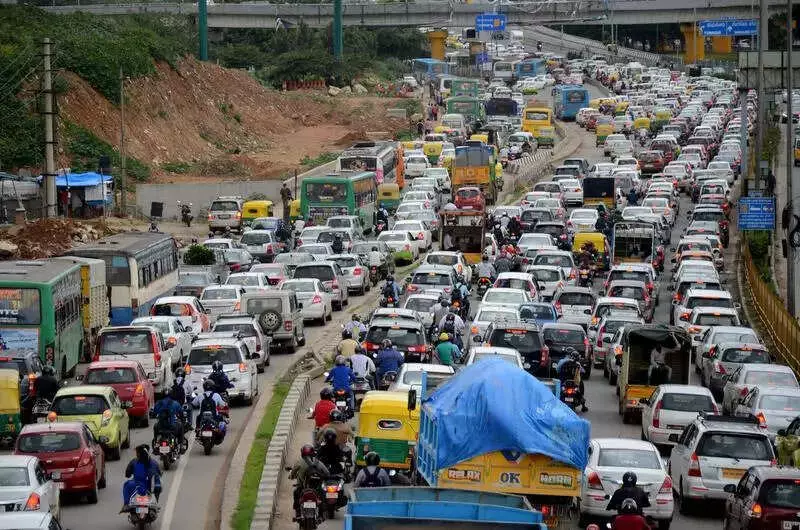
The UDD has additionally raised concerns about the lack of independent expert analysis and the project's failure to integrate with high-capacity public transport systems. The department noted that global best practices emphasize parallel public-transport investments, while tunnel and elevated-road projects without such integration typically induce more demand and simply shift congestion to other locations.
As the scrutiny intensifies, all eyes are on how B-SMILE and BDA will respond to the UDD's detailed queries and whether the expensive tunnel project will undergo significant modifications or face potential cancellation.

