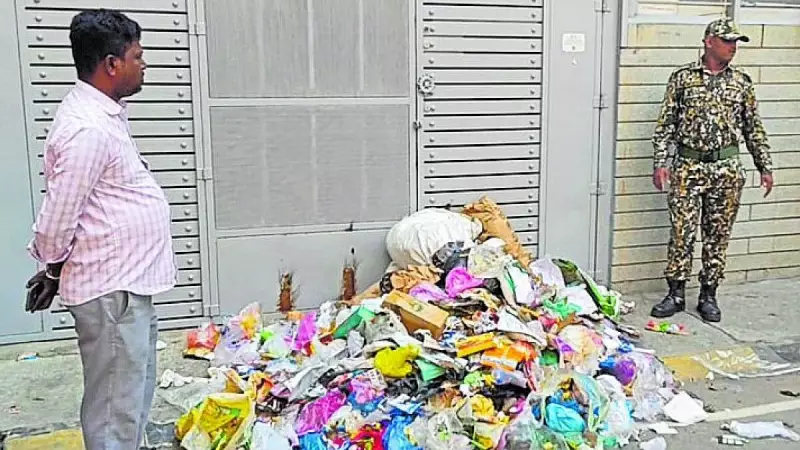
India's technology capital Bengaluru is grappling with an embarrassing reality - despite spending enormous sums on cleanliness initiatives, the city's streets remain plagued by garbage and inadequate sanitation. A massive Rs 2,300 crore project aimed at transforming Bengaluru's waste management system has failed to deliver the promised results, leaving residents frustrated and neighborhoods unclean.
The Broken Promise of Clean Streets
The Bruhat Bengaluru Mahanagara Palike (BBMP) launched an ambitious door-to-door garbage collection system that was supposed to revolutionize how the city handles its waste. However, ground reality tells a different story. Only 60% of the city's 2,100 wards receive regular waste collection services, while the remaining areas suffer from inconsistent cleaning schedules and overflowing garbage points.
Residents across Bengaluru report that garbage vehicles frequently miss their scheduled collections, sometimes skipping entire areas for days. This has led to mounting waste piles in residential neighborhoods and commercial areas alike. The situation becomes particularly dire during weekends and public holidays when collection services are often suspended.

Contractor System Creates Chaos
At the heart of Bengaluru's cleanliness crisis lies a flawed contractor system. The BBMP relies heavily on private contractors for waste collection, but this arrangement has proven problematic. Contractors frequently change their staff without proper training, leading to inconsistent service quality and frequent disruptions in garbage collection routes.
The financial arrangement exacerbates the problem. Contractors are paid based on the number of households they serve, creating incentives to maximize coverage at the expense of service quality. Many contractors struggle with timely salary payments to sanitation workers, resulting in high staff turnover and frequent strikes that paralyze the city's waste management system.
Infrastructure Gaps and Public Apathy
Bengaluru's rapid urbanization has outpaced its waste management infrastructure. The city generates approximately 5,000 metric tons of solid waste daily, but processing facilities can handle only a fraction of this volume. This mismatch between waste generation and processing capacity creates persistent cleanliness challenges.
Public participation remains another critical challenge. Despite awareness campaigns, many residents continue to dispose of garbage improperly. The segregation of wet and dry waste at source, a crucial component of effective waste management, sees poor compliance rates across the city. This mixed waste further complicates processing and recycling efforts.
BBMP officials acknowledge the systemic issues but point to budget constraints and logistical challenges. The corporation requires nearly 18,000 sanitation workers to maintain cleanliness standards, but current staffing levels fall significantly short of this requirement. This workforce shortage directly impacts the frequency and quality of street cleaning operations.
Path Forward for Bengaluru
Experts suggest that sustainable solutions require a multi-pronged approach. Improving contractor management, enhancing public awareness, and investing in modern waste processing infrastructure could collectively address the current gaps. Some wards that have implemented localized solutions, including community-led initiatives and better monitoring systems, show promising results that could be scaled city-wide.
The BBMP is exploring technological interventions, including GPS-enabled garbage trucks and mobile applications for better complaint resolution. However, these measures need to be complemented by stronger enforcement of waste management rules and greater community involvement to achieve lasting change.
As Bengaluru continues its journey toward becoming a world-class city, solving the fundamental challenge of clean streets remains critical for both public health and urban livability. The current situation underscores that financial investment alone cannot solve urban sanitation problems without efficient implementation and active citizen participation.