Chakan Municipal Council Unveils Urgent Stray Dog Control Plan After Fatal Attack
The Chakan Municipal Council, located approximately 35 kilometers from Pune city, has declared a series of immediate and comprehensive measures to address the escalating stray dog population crisis in the industrial town. This decisive action follows a tragic incident where a 32-year-old woman was fatally attacked by a pack of six stray dogs on the service road of the Pune–Nashik highway in the early hours of Monday.
Expanding Shelter Capacity and Intensifying Sterilization Drives
Civic authorities have prioritized several key initiatives to mitigate the threat posed by stray dogs. Ankush Jadhav, the chief officer of the Chakan Municipal Council, emphasized the council's commitment to doubling the capacity of the existing dog shelter from 100 to 200 animals. "We aim to step up the capturing of stray dogs to vaccinate and sterilize them," Jadhav stated. "After keeping them under observation for a few days, we will release them. This strategy is designed to control the population growth and significantly reduce the risk of rabies infections."
The council is actively identifying closed industrial sheds that can be repurposed into shelters in compliance with regulatory standards. To date, a private agency engaged by the council has sterilized around 400 dogs over the past few months, and this drive is set to continue across the town.

Enhanced Waste Management and Monitoring Efforts
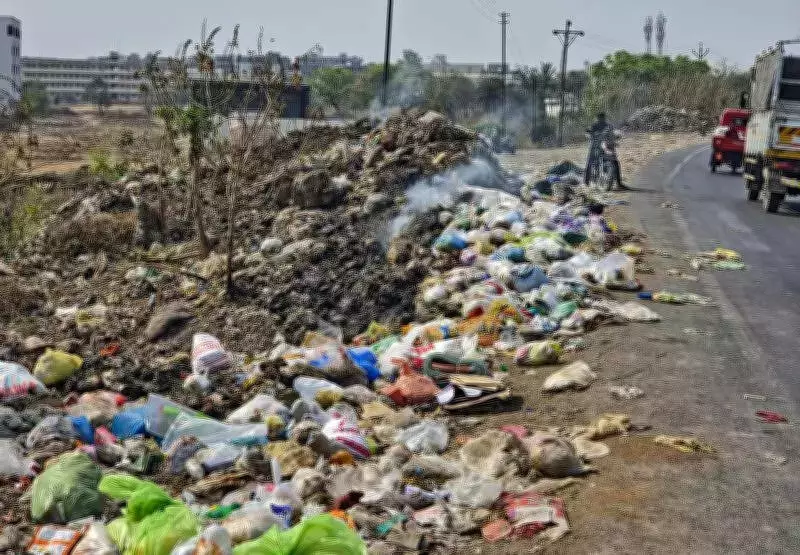
Recognizing that improper waste disposal attracts stray dogs and contributes to pack formation, the council has deployed additional staff to monitor garbage dumping points across all 12 wards. A dedicated vehicle has been introduced for the systematic collection and disposal of chicken waste, which is particularly problematic. "Improper disposal often attracts stray dogs and leads to pack formation," added Jadhav, highlighting the importance of scientific waste management.
Civic officials estimate that implementing these measures effectively will require a budget of at least Rs 50 lakh. The council plans to seek funding from the district collector and explore corporate social responsibility (CSR) partnerships to support these initiatives.
Community Concerns and Calls for Accountability
Residents and activists in Chakan have expressed anger and fear following the fatal attack, attributing the tragedy to long-standing civic neglect. Since transitioning from a gram panchayat to a municipal council in 2015, Chakan has struggled to keep pace with rapid industrial growth, rising population, and increased waste generation. Activist Atul Kandge pointed out, "The increased town population and mushrooming of eateries have led to a surge in garbage generation. There is neither adequate manpower nor infrastructure for waste management." He also criticized the outsourcing of stray dog control to a private agency, noting a lack of dedicated accountability.
Residents like Prashant Kale and Sunita More voiced their frustrations, with Kale stating, "Earlier incidents of dog bites were ignored. The administration is acting only after a life was lost," and More observing, "Packs of stray dogs can be seen roaming early in the morning or late at night, especially near highways and garbage spots." A local shopkeeper, who chose to remain anonymous, urged for continuous monitoring rather than temporary reactive measures.
Regional Coordination and Future Vigilance
The council is also planning to coordinate with neighboring gram panchayats to address the stray dog issue collectively. A senior CMC official, speaking anonymously, mentioned receiving complaints about stray dogs from adjoining municipal areas being relocated and released in Chakan. "We lack concrete evidence so far, but will keep a strict watch to prevent such activities," the official said.
As the Chakan Municipal Council rolls out these measures, residents have made it clear that they will closely monitor the effectiveness of the newly announced plans, demanding sustained action to ensure public safety and prevent future tragedies.