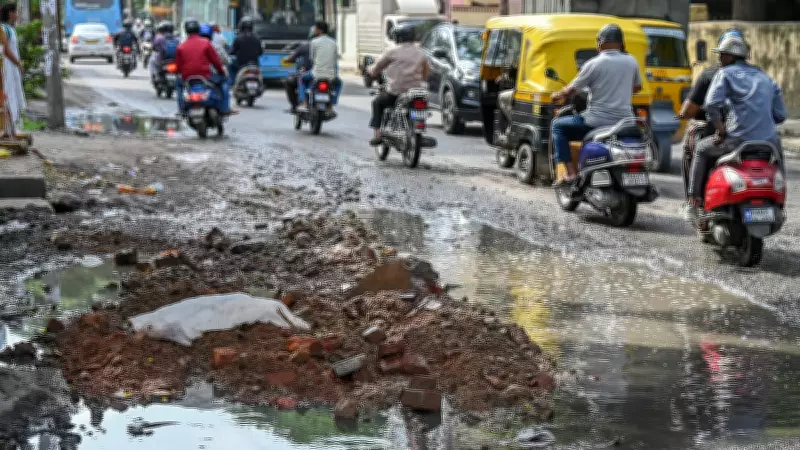
The persistent lack of accountability for civic negligence in India has led to repeated tragedies without institutional consequences. A recent fatal incident has once again highlighted the urgent need for a comprehensive liability law that holds authorities responsible for negligence.
The Current Legal Void
Under existing laws, proving negligence against public bodies is often a lengthy and arduous process. Victims or their families face numerous hurdles, including bureaucratic delays and insufficient legal provisions. This legal vacuum has allowed civic bodies to escape responsibility, fostering a culture of impunity.
Consequences of Weak Accountability
- Infrastructure failures, such as building collapses and road accidents, continue to claim lives.
- Public health hazards, like contaminated water and poor sanitation, remain unaddressed.
- Citizens lose faith in the system's ability to ensure safety and justice.
Why a Liability Law is Essential
A robust liability law would establish clear standards for civic responsibility and streamline the process of seeking compensation. It would deter negligence by imposing strict penalties on erring officials and institutions. Countries with such laws have seen significant improvements in public safety and accountability.

Key Features Needed
- Strict liability for civic bodies in cases of gross negligence.
- Fast-track courts for negligence cases to ensure timely justice.
- Mandatory compensation for victims and their families.
The time has come for India to enact a liability law that prioritizes citizen safety over institutional convenience. Without it, fatal negligence will continue to be met with mere apologies and broken promises.