The New Wave of Digital Dissent
In 2025, a powerful wave of Generation Z-led uprisings has swept across Asia and Africa, driven by viral social media campaigns on platforms like TikTok and Discord. These movements, targeting corruption and inequality, represent a significant shift in how political mobilization occurs in the digital age.
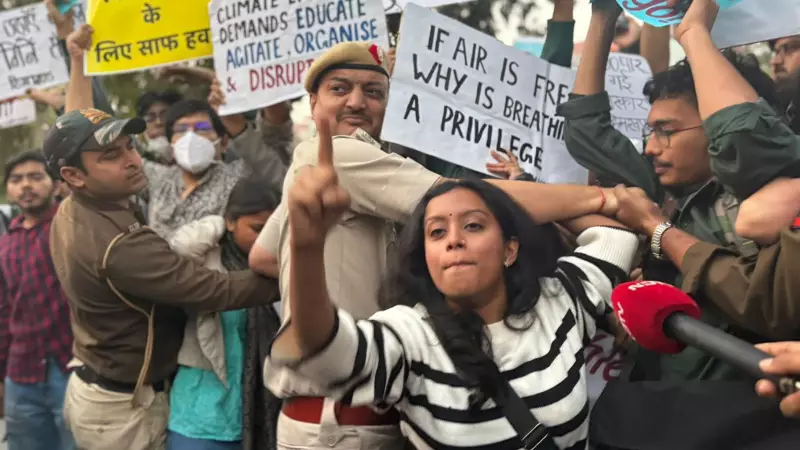
On Sunday, November 10, 2025, Delhi witnessed its first protest in years against the city's dangerously high Air Quality Index (AQI). The mobilization for this gathering at Jantar Mantar was largely organized through social media channels, highlighting the growing power of digital networks to rally citizens around environmental and political causes.
Global Protest Movement Gains Momentum
The phenomenon is far from isolated. In Morocco, the "GenZ 212" movement erupted on September 27 after viral posts condemned billions being spent on 2030 FIFA World Cup stadiums while public services deteriorated. The protests spread across 10 cities, resulting in three deaths and the arrest of over 500 people by early October.

Just weeks earlier, Nepal experienced severe Gen Z-led unrest after the government banned 26 social media platforms. The protests turned deadly, with over 70 fatalities, and ultimately forced Prime Minister K P Sharma Oli to resign. This protest wave extended to Madagascar, where youth demonstrations over power and water crises successfully toppled the government.
Across Asia, similar large-scale mobilizations occurred in Mongolia pushing for democratic reforms, the Philippines hosting anti-elite rallies, and Indonesia where gig workers coordinated welfare protests through Telegram. These coordinated actions, orchestrated through memes, reels, and encrypted chats, demonstrate the viral nature of digital dissent in what may be remembered as the "year of protest."
From Arab Spring to Gen Z Digital Activism
The 2010-2011 Arab Spring first marked social media's emergence as a global force for activism. Platforms like Facebook and Twitter enabled rapid mobilization, with Egypt's "We Are All Khaled Said" page against police brutality drawing 400,000 followers. Research by Philip N Howard and Muzammil M Hussain found these platforms significantly lowered barriers to collective action.
Today, Gen Z (born 1997-2012) has perfected this model. As digital natives, they harness short-form content for viral activism, blending satire and solidarity. A 2023 United Way NCA survey shows that 66% of Gen Z activism is digital, primarily focused on inflation, healthcare, and housing issues.
The global reach of this digital mobilization is undeniable. From Hong Kong's 2019 Telegram-led protests to the 2020 US Black Lives Matter movement that drew 15-26 million participants on TikTok, social media has proven its power to coordinate mass action. In South Asia, Sri Lanka's 2022 "Aragalaya" used Facebook for 70% of its coordination, while Bangladesh's 2024 quota protests that toppled Prime Minister Sheikh Hasina relied heavily on WhatsApp.
The Double-Edged Sword of Digital Mobilization
However, this power comes with significant drawbacks. Engagement-driven algorithms often foster echo chambers and polarization. In Morocco, unmoderated Discord clashes grew from 3,000 to 150,000 users, while in Nepal, post-ban calls for arson turned peaceful activism into chaos.
Platforms like Meta and ByteDance, while promoting free expression, prioritize ad revenue, sometimes enabling misinformation that fuels unrest. Governments facing digital activism often resort to internet bans that frequently backfire, as seen in Nepal where the blackout cut economic lifelines and radicalized youth instead of quelling dissent.
Looking ahead, by 2030, Gen Z will comprise 40% of the global population according to UN projections, driving increased "phygital" activism that blends AI-deepfakes, bots, and fragmented internet ecosystems. Shared symbols like Indonesia's Straw Hat Pirate flags appearing from Yogyakarta to Kathmandu signal the next digital flashpoint.

As revolutions become inevitable in networked societies, experts argue that UN-led norms for ethical AI and bilateral tech accords are vital to prevent chaos. The solution lies in collaboration rather than confrontation—platforms must prioritize social impact, governments should engage in dialogue, and Gen Z needs to channel its digital power toward sustainable reform.