

Government Proposes Major Decriminalization of Minor Offenses in Jan Vishwas Bill
In a significant move aimed at providing relief to first-time offenders, the Indian government has proposed sweeping changes to decriminalize a range of minor violations under the Jan Vishwas Bill. This legislative initiative seeks to amend 79 central laws through 784 provisions, with a focus on reducing jail terms for non-serious offenses.
Traffic and Pollution Violations Get Leniency
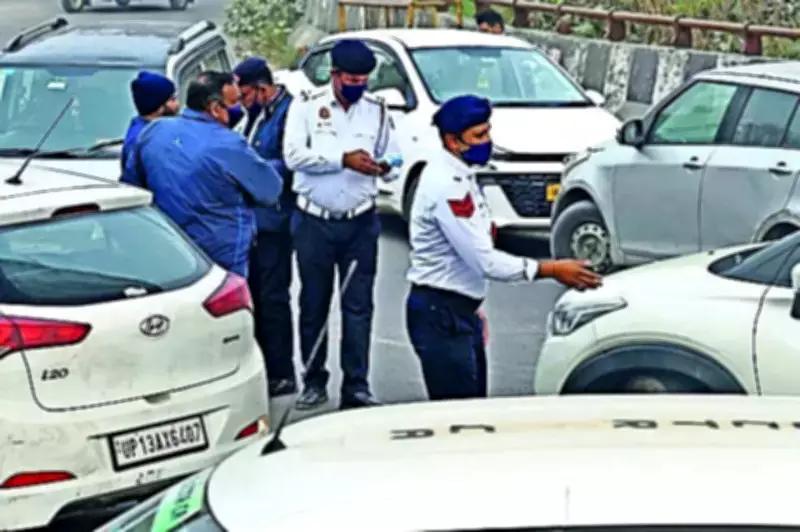
Under the current framework, driving a vehicle that violates prescribed road safety standards or air and noise pollution norms can lead to severe penalties. Offenders face up to three months in jail, a fine of Rs 10,000, and a six-month disqualification from holding a driving license. However, the new bill proposes a more lenient approach for first-time offenders.
For the first offense, the government has suggested replacing the jail term with a penalty of Rs 10,000 and a three-month disqualification from holding a driving license. This shift aims to reduce the burden on the judicial system and offer a second chance to those who commit minor infractions.

Subsequent offenses, however, will still carry stricter consequences. Repeat violators could face up to six months in jail and a penalty of up to Rs 10,000, ensuring that habitual offenders are held accountable.
In cases related to noise pollution, the bill introduces a warning system for first-time offenders. Repeat violations will attract a penalty of up to Rs 10,000, emphasizing a graduated approach to enforcement.
Electricity Act Reforms and Relief for Homebuyers
The Jan Vishwas Bill also addresses violations under the Electricity Act. Currently, failing to comply with an order or contravening provisions can result in three months of jail time and a fine of Rs 1 lakh. The proposed amendment would convert this into a fine ranging from Rs 10,000 to Rs 10 lakh, depending on the severity of the offense.
Additionally, the bill mandates compounding for first instances of power theft, interference with meters, or intentional damage to licensee works. Compounding allows for a one-time settlement, streamlining the resolution process and reducing legal complexities.
In a move that brings relief to homebuyers, the bill proposes to remove the existing provision of a maximum one-year jail term for allottees who fail to comply with orders from the Real Estate Appellate Tribunal. Instead, the penalty for such allottees is proposed to be enhanced to up to 10% of the property's cost, focusing on financial accountability rather than incarceration.
Decriminalization of Unauthorized Hawking in Trains
Further extending the decriminalization efforts, the government has proposed amendments to the Railways Act regarding unauthorized hawking in trains. Currently, this offense can lead to up to one year in jail and a fine ranging from Rs 1,000 to Rs 2,000. The new proposal seeks to convert this into a penalty of up to Rs 2,000, eliminating the jail term altogether.
This change is part of a broader strategy to reduce the criminalization of minor economic activities and provide a more humane approach to law enforcement.
Implications and Broader Context
The Jan Vishwas Bill represents a pivotal step in the government's ongoing efforts to reform India's legal and regulatory landscape. By decriminalizing minor offenses, the initiative aims to alleviate the pressure on courts, reduce overcrowding in prisons, and foster a more forgiving system for first-time offenders.
Experts suggest that these changes could lead to increased compliance, as individuals may be more willing to adhere to regulations when penalties are proportionate and non-custodial. The focus on fines and warnings, rather than imprisonment, aligns with global best practices in regulatory enforcement.
As the bill moves through the legislative process, stakeholders from various sectors are expected to weigh in on its provisions. The proposed amendments underscore a commitment to balancing public safety with individual rights, marking a significant evolution in India's approach to governance and justice.






