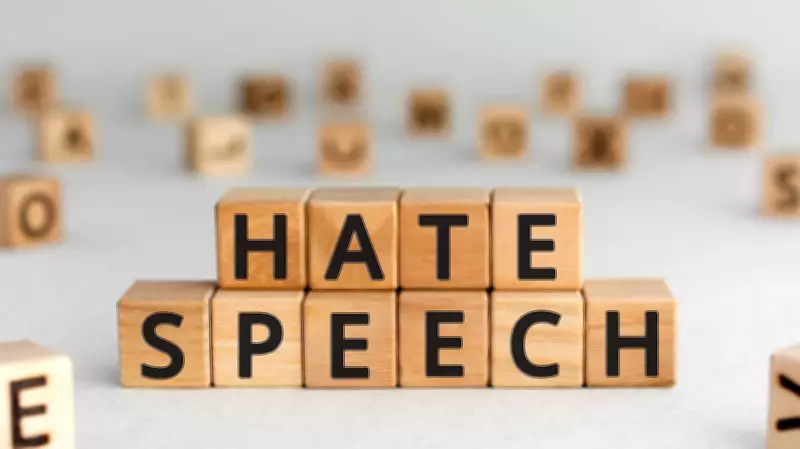
Hate speech remains a persistent challenge in India, with weak policing and inconsistent court action allowing divisive rhetoric to continue unchecked. Despite existing legal provisions, enforcement remains erratic, leading to a climate where inflammatory statements often go unpunished.
The Legal Framework
India has laws against hate speech under the Indian Penal Code, including Sections 153A, 295A, and 505. However, these provisions are often invoked selectively or not at all. The lack of clear definitions and thresholds for what constitutes hate speech further complicates enforcement.
Policing Challenges
Police forces frequently face criticism for either overreach or inaction. In many cases, complaints are not registered promptly, and investigations lack rigor. Political pressure and fear of backlash often result in delayed or biased action. This inconsistency erodes public trust in law enforcement.

Judicial Inconsistency
Courts have delivered mixed verdicts on hate speech cases. While some judgments uphold free speech as a fundamental right, others emphasize the need to maintain public order. The absence of a uniform judicial approach creates uncertainty and emboldens those who spread hatred.
Impact on Society
The unchecked spread of hate speech exacerbates communal tensions, polarizes communities, and undermines social cohesion. It also normalizes discrimination and violence against marginalized groups. The failure of legal mechanisms to address this issue effectively poses a threat to democratic values.
The Way Forward
To curb hate speech, there is a need for clearer legal definitions, mandatory training for police on handling such cases, and faster judicial processes. Public awareness campaigns and community engagement can also play a vital role in promoting tolerance. Ultimately, a multi-pronged approach involving legal, social, and educational measures is essential to uphold the rule of law and protect fundamental rights.