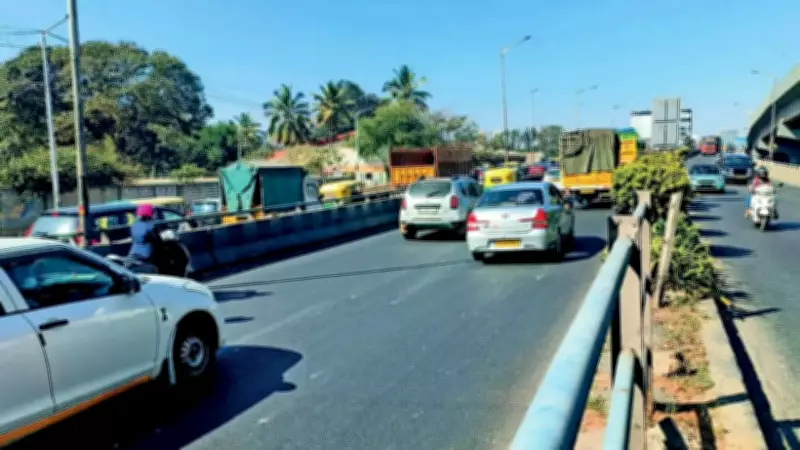
Bengaluru's Hebbal Flyover Sees Major Traffic Transformation After Resurfacing
Airport-bound commuters in Bengaluru are experiencing a significant relief as the Hebbal flyover, once notorious for chronic delays, has undergone a comprehensive makeover. Fresh asphalt resurfacing has dramatically improved traffic flow, cutting stress for travelers rushing to Kempegowda International Airport. Police officials confirm that this upgrade has transformed one of the city's biggest choke points into a faster-moving corridor, marking a pivotal change in daily commute patterns.
Vehicle Speeds Double Following Repairs
Prior to the resurfacing, vehicles on the flyover crawled at a sluggish 20–25 kilometers per hour due to extensive potholes and surface damage. Post-repairs, average speeds have surged to 40–50 kilometers per hour. Traffic authorities highlight that this improvement has substantially reduced travel time for airport commuters, particularly during peak hours when Hebbal junction previously witnessed long queues and severe bottlenecks.
Emergency Vehicles Benefit from Smoother Flow
One of the most critical gains from the upgrade is enhanced emergency movement. Hebbal traffic police report that since the repairs were completed, not a single ambulance has been stuck in slow-moving traffic on the flyover. Previously, frequent jams often delayed medical emergencies, but the smoother surface and faster flow now ensure quicker and safer passage for emergency vehicles, potentially saving lives.

Addressing Potholes and Structural Issues
The flyover was previously riddled with small potholes, asphalt damage, alligator cracks, and sudden bumps near expansion joints, making driving risky and uncomfortable. The damaged tar layer has been completely removed and replaced with fresh stone matrix asphalt, creating a uniform surface that improves safety and prevents waterlogging during monsoon seasons.
Enhanced Durability with Stone Matrix Asphalt
BNCC commissioner Pommala Sunil Kumar explained that milling and stone matrix asphalting were carried out to strengthen the road structure. The previous bituminous layer had failed quickly, causing repeated maintenance issues. The new surface offers improved grip, durability, and riding comfort, ensuring the flyover can withstand heavy daily traffic without rapid deterioration.
Resolving Lane Mismatch Problems
A major contributor to earlier jams was lane merging, where five lanes before the flyover squeezed into three lanes on it, exacerbating slowdowns due to damaged roads. Drivers often braked suddenly to avoid bumps, increasing congestion and accident risks, especially for two-wheelers. With the smoother asphalt, merging has become more predictable and safer, streamlining traffic movement.
Relief for Two-Wheeler Riders
Two-wheeler users were among the worst affected by the previous rough conditions, with sudden braking near potholes causing near-misses and injuries. Many motorists complained of back pain due to the uneven stretch. The resurfaced flyover now provides a smoother ride, reducing physical strain and accident risk for bikers and scooter riders, enhancing overall road safety.
Improved Breakdown Response Mechanisms
Traffic police and home guards remain deployed on the flyover to handle vehicle breakdowns promptly. Earlier, stalled vehicles often triggered long jams, but quick response teams now clear such obstructions rapidly, helping maintain steady movement and preventing minor incidents from escalating into major traffic snarls.
Persistent Challenges Near Bus Stops
While the flyover itself moves faster, congestion still builds near the Kempapura (Dairy Farm) bus stop, especially during evening hours. Although a bus bay exists, private buses frequently stop on the main road instead of using it, disrupting traffic flow and creating fresh bottlenecks just after commuters exit the flyover, indicating areas for further improvement.

Median Removal Eases Post-Flyover Movement
Another significant fix was implemented near Baptist Hospital, where vehicles previously had to crisscross lanes from the down-ramp. Authorities removed the median over a 100-meter stretch, allowing smoother alignment between main and service roads. Police note this has reduced confusion, improved flow, and further sped up post-flyover movement, contributing to overall traffic efficiency.