

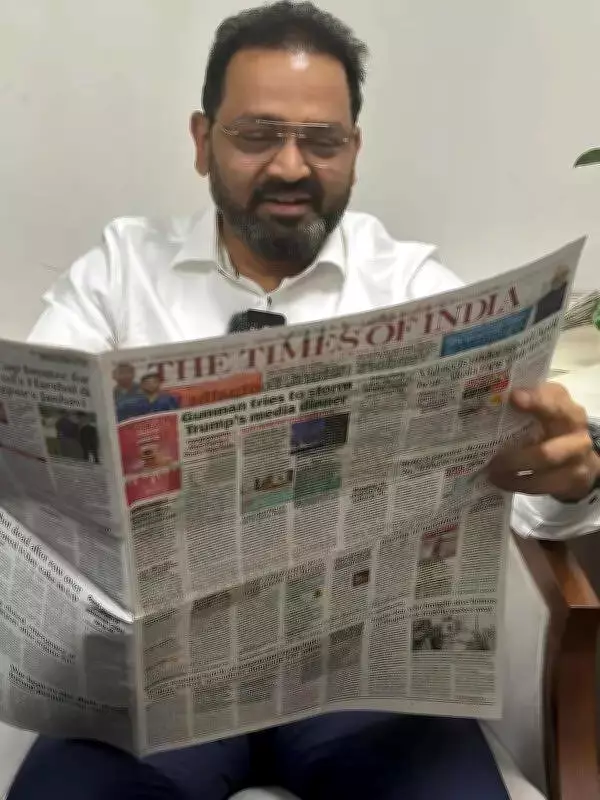
As Nagpur continues to expand, recurring issues such as constant digging and poor restoration of roads, inequitable water supply, vanishing footpaths, and encroachments threaten its growth. Municipal commissioner Vipin Itankar, now at the helm of civic affairs, emphasizes the need to move beyond reactive governance. In an exclusive interaction during his visit to the TOI office on Monday, Itankar stressed long-lasting solutions through coordinated planning, technological integration, and financial discipline, aligning with the vision of chief minister Devendra Fadnavis and Union minister Nitin Gadkari.
Road Excavation and Restoration
Itankar acknowledged that repeated excavation of roads without proper coordination is the root cause of damage. Different agencies operate independently, lacking a unified system to track underground infrastructure. This leads to frequent digging and poor restoration, weakening roads. He stated that pothole repairs alone will not solve the problem unless this cycle is addressed.
Long-Term Solutions
A unified GIS-based platform is planned to map all utilities—roads, pipelines, sewer networks, electrical lines, and telecom cables—in layers. This will provide complete visibility before any excavation, minimizing unnecessary digging and enabling scientific restoration. The system will improve coordination and support future projects like gas pipelines and smart city expansion.

Role Transition: Collector to Municipal Commissioner
Itankar noted that the municipal corporation is far more complex than the collector's regulatory role, involving over 40 departments delivering critical urban services. The democratic setup with elected representatives and committees adds coordination layers, but decisions taken collectively lead to smoother and more sustainable implementation.
Governance Challenges
Governance is now more participative rather than difficult. Earlier, decisions were fast due to centralization; now proposals undergo multiple scrutiny levels, improving transparency and quality. This shift reflects inclusive governance with distributed accountability.
Top Priorities for Nagpur
Itankar's top priorities include assured and equitable water supply across the city, completing major infrastructure projects like the Nag River pollution abatement initiative on time, and strengthening the municipal corporation's financial position. The civic body targets approximately Rs 1,000 crore in revenue through improved property tax collection, land monetization, and efficient use of civic assets.
Encroachments and Parking Issues
Encroachments—street vendors, shop extensions, hoardings, and misuse of public spaces—reduce road width and make footpaths unusable. Parking pressure has increased significantly. The administration adopts a two-pronged approach: enforcement against encroachments and creation of designated vending zones. Parking norms will be enforced, and designated spaces better utilized, requiring planning and civic discipline.
Flooding, River Pollution, and Lake Degradation
Flooding and pollution are interconnected. Integrated projects under national missions and externally aided programmes include expanding sewer networks, setting up treatment infrastructure, and diverting untreated sewage. The Japan International Cooperation Agency-backed river rejuvenation project is expected to begin within months, with tenders in final stages and land acquisition underway. Encroachments along the river will be addressed firmly. Plans include deploying a permanent weed removal machine at Ambazari Lake to tackle water hyacinth and establishing a 12 MLD sewage treatment plant to prevent untreated discharge.
Staff Shortages
Recruitment is being carried out in phases. Clerical recruitment is completed, and 500-600 sanitation workers are being inducted. Fire department recruitment will follow after the state policy is finalized. However, recruitment must align with financial sustainability to avoid hampering development work.

Airport Modernisation and Mihan Development
The modernisation of Dr Babasaheb Ambedkar International Airport involves multiple stakeholders, including the Airports Authority of India, the Air Force, and state and central governments. Most technical and procedural issues have been resolved, and final cabinet approval is awaited. Once cleared, the project will move to the concessionaire stage. On the industrial front, Mihan has seen steady expansion with 400-500 acres allotted to industries in the past two years, including IT, aerospace, solar, and drone sectors. Infrastructure gaps are being addressed to sustain growth.





