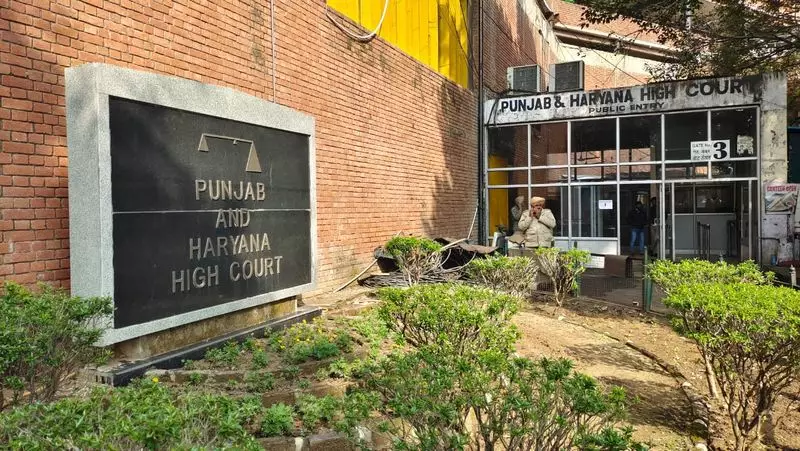
In a landmark ruling for environmental protection, the Punjab and Haryana High Court has issued an immediate and comprehensive halt to all tree felling activities across the state of Punjab. The court took this decisive step after concluding that widespread tree cutting was occurring in "blatant violation" of the state's own green policies and legal framework.
Court's Stern Rebuke and Immediate Directives
The bench, comprising Justice Rajesh Bhardwaj, expressed severe disapproval of the situation. The order was passed during a hearing concerning the felling of trees in SAS Nagar (Mohali). The court noted that its earlier directives to protect trees were being ignored, leading to uncontrolled destruction of green cover.
The court's order, dated May 10, 2024, is unequivocal. It mandates that "no tree shall be cut in the state of Punjab" until further notice. This blanket ban applies to all authorities, including government departments, municipal corporations, and private entities, unless explicit prior permission has been granted by the court itself.

To ensure strict compliance, the High Court has summoned a detailed report from the highest levels of the state administration. The Chief Secretary of Punjab has been directed to file a comprehensive affidavit. This report must clarify the current status of tree felling across Punjab and outline the specific steps being taken to prevent illegal cutting and protect the existing tree cover.
The Legal and Policy Framework Being Violated
The court's anger stems from the disregard for established environmental safeguards. The ruling highlights that tree felling in Punjab is governed by a specific state policy and the Punjab Land Preservation Act. These regulations require obtaining necessary permissions and following due process before any tree can be cut down, especially in vulnerable areas.
Evidence presented in court, particularly from SAS Nagar, showed that these rules were being flouted openly. The court observed that the indiscriminate cutting was not just an administrative failure but a direct contempt of its previous orders aimed at preserving the environment. This "blatant violation" left the judiciary with no option but to impose a complete moratorium.
Broader Implications and Next Steps
This interim order has far-reaching consequences for ongoing and planned infrastructure, development, and private projects in Punjab that involve tree removal. All such activities must now cease immediately until a proper mechanism for scrutiny and approval is established under judicial oversight.
The court's intervention underscores a critical gap in enforcement. While green policies exist on paper, the ground reality reflected a severe lack of monitoring and accountability. By putting the onus on the Chief Secretary, the court is demanding top-down accountability and urgent corrective action from the state machinery.
The next hearing in the case is awaited, where the Chief Secretary's report will be examined. The court's firm stance signals a new phase of judicial monitoring over Punjab's environmental governance. It serves as a stern warning that economic or development arguments cannot override ecological imperatives without following the due process of law.
This ruling is being celebrated by environmental activists and citizens' groups across Punjab who have long raised alarms about the rapid depletion of urban and rural green cover. It sets a powerful precedent for other states to enforce their environmental laws rigorously.