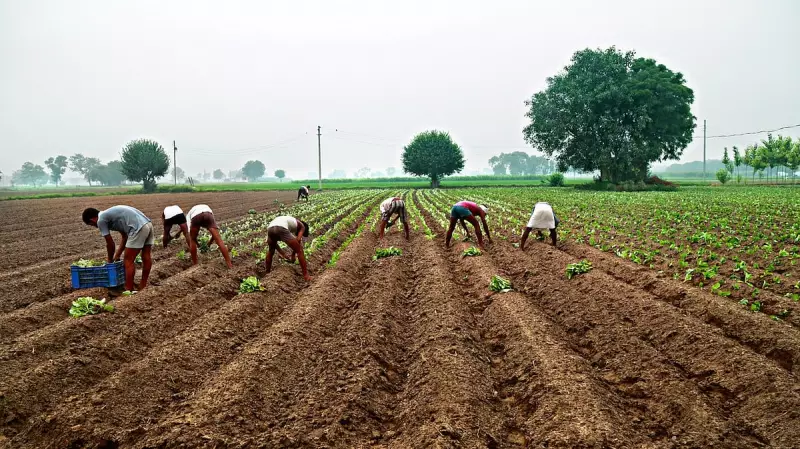
The Indian government's proposed amendments to the Seed Act have triggered widespread concern among farmers' rights activists and agricultural experts who fear the changes could significantly undermine farmers' traditional rights over seeds.
What the Amendment Proposes
The Centre has introduced the Seeds (Amendment) Bill, 2019, which aims to modify the existing Seeds Act of 1966. The proposed changes include compulsory registration of all seeds with a central authority and stricter penalties for violations. While the government claims these measures will ensure seed quality and protect farmers from spurious seeds, critics argue they represent a fundamental shift in agricultural policy.
According to the draft legislation, all seeds must be registered with the Protection of Plant Varieties and Farmers' Rights Authority before they can be sold. This requirement applies equally to commercial seed companies and traditional farmer-saved seeds if they are intended for sale in the market.
Impact on Farmers' Traditional Rights
Agricultural activists and farmers' organizations have raised alarm bells about the potential consequences of these amendments. Kavitha Kuruganti from the Alliance for Sustainable and Holistic Agriculture expressed serious concerns, stating that the amendments could effectively criminalize farmers' traditional practices of saving and exchanging seeds.
"The proposed changes threaten to undermine the Farmers' Rights Act of 2001, which specifically protects farmers' rights to save, use, exchange, and sell their farm-saved seeds," Kuruganti explained. She emphasized that this legislation could disproportionately affect small and marginal farmers who rely on traditional seed-saving practices.
Broader Implications for Indian Agriculture
The controversy extends beyond immediate farmers' rights concerns. Experts worry that the amendments could accelerate corporate control over India's seed sector and reduce agricultural biodiversity. The requirement for formal registration might favor large seed companies while creating barriers for traditional seed varieties.
Several farmers' groups have organized protests and submitted representations to the government, demanding that the amendments be reconsidered. They argue that the legislation should explicitly protect farmers' rights and exclude traditional seed varieties from compulsory registration requirements.
The timing of these amendments is particularly significant given the ongoing challenges in Indian agriculture, including climate change impacts and economic pressures on farmers. The outcome of this legislative process could shape the future of seed sovereignty and agricultural sustainability in India for generations to come.