Surajkund Swing Collapse Exposes Critical Gaps in Public Safety Infrastructure
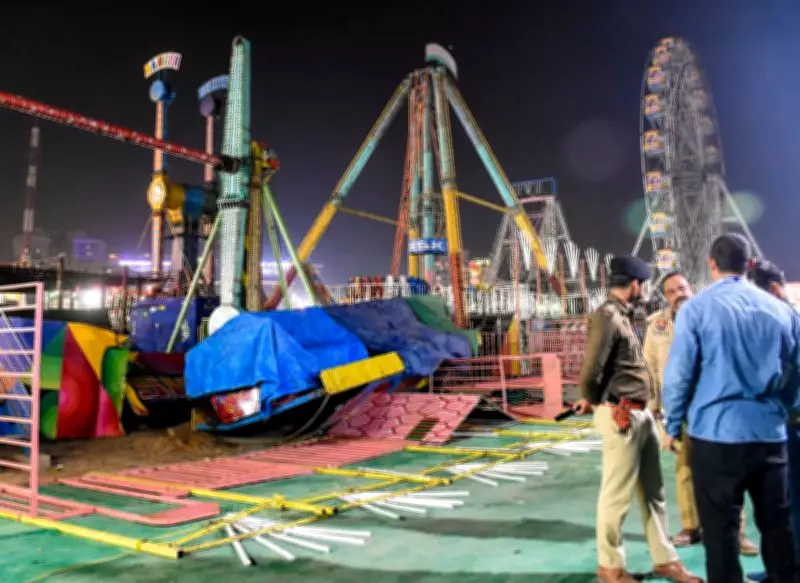
The recent and alarming incident at the Surajkund Mela, where a swing structure collapsed, injuring 15 individuals, has sent shockwaves across the nation. This unfortunate event is not merely an isolated accident but a stark reminder of the systemic failures in safety protocols at public gatherings and recreational venues. The collapse occurred during a popular cultural festival, highlighting how lapses in maintenance and oversight can turn moments of joy into scenes of chaos and injury.
A Wake-Up Call for Comprehensive Safety Measures
This incident underscores the urgent need for a cohesive and enforceable national safety framework. Currently, safety regulations for temporary structures like swings and rides at melas or fairs are often fragmented, with varying standards across states and local authorities. The Surajkund tragedy reveals that relying on ad-hoc checks or outdated guidelines is insufficient to protect the public. A unified approach is essential to ensure that all event organizers, contractors, and local governments adhere to stringent safety norms, including regular inspections, structural integrity assessments, and emergency response plans.
The Human Cost of NegligenceBeyond the physical injuries, such accidents erode public trust in the safety of communal spaces. Families attending festivals expect a secure environment, and failures like this can have long-lasting psychological impacts on victims and witnesses alike. It is imperative that authorities prioritize human safety over commercial interests or bureaucratic delays. The Surajkund case should serve as a catalyst for reform, prompting immediate reviews of existing safety codes and the implementation of robust monitoring mechanisms.

Key Components of a Proposed National Safety Framework
To prevent future tragedies, a national safety framework must include several critical elements:
- Standardized Regulations: Develop uniform safety standards for temporary structures, applicable nationwide to eliminate regional disparities.
- Mandatory Inspections: Require pre-event and periodic inspections by certified engineers, with results publicly accessible to ensure transparency.
- Accountability Measures: Implement strict penalties for non-compliance, including fines and license revocations for negligent organizers.
- Public Awareness Campaigns: Educate citizens on safety precautions and reporting mechanisms for hazardous conditions at events.
- Emergency Preparedness: Ensure all venues have adequate medical facilities and evacuation plans to handle accidents swiftly.
In conclusion, the Surajkund swing collapse is a poignant reminder that safety cannot be compromised. As India hosts numerous festivals and public events annually, a proactive and comprehensive national safety framework is not just desirable but essential. By learning from this incident and enacting decisive reforms, we can safeguard our communities and restore confidence in the integrity of our public spaces. The time for action is now, before another preventable tragedy occurs.