Thrissur Fireworks Tragedy Exposes Systemic Safety Failures in Festival Industry
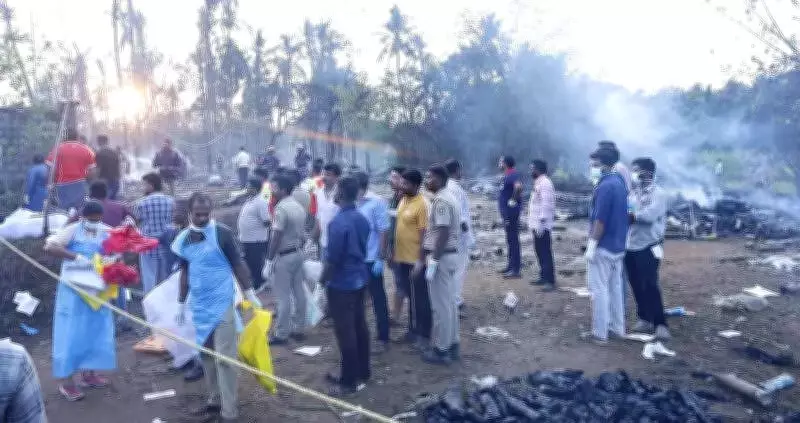
A devastating explosion at a fireworks manufacturing unit in Mundathicode, Thrissur, has once again cast a harsh light on the casual and perilous approach to pyrotechnics production in the state. The incident, which resulted in multiple casualties, underscores a pattern of negligence that experts warn is endemic to the festival-driven industry.
Lax Oversight and Tragic Consequences
In a shocking revelation, authorities attempted to determine the number of workers present at the Mundathicode unit at the time of the blast by counting the 40 lunch packets ordered, highlighting a severe lack of proper monitoring. Furthermore, there was no clarity on the exact quantity of explosives stocked at the site, despite regulations mandating strict limits.
Official sources indicate that the district administration typically licenses the Thiruvambady and Paramekkavu devaswoms to stock 2,500kg of gunpowder and related explosives each for the main display event of the Thrissur Pooram. However, it is an open secret that much higher quantities are routinely stockpiled and utilized for the competitive fireworks displays, flouting safety norms.

Expert Analysis Points to Systemic Failures
According to R Venugopal, former joint chief controller of explosives at the Petroleum and Explosives Safety Organisation (PESO), such accidents are not random occurrences but reflect a repeated pattern of systemic failure in the manufacturing and management of festival fireworks. He emphasized that under legal frameworks, fireworks and explosive compositions must be produced only in licensed premises with approved layouts, specified safety distances between sheds, controlled quantities, and strict man-limits for each shed.
Venugopal detailed the regulations: "The mixing shed of pyrotechnic materials should have an 18-metre safety distance from each other, while the manufacturing unit and drying platform should maintain a 12-metre distance. Each mixing shed should allow only two people to work at a time, and manufacturing sheds should limit occupancy to four individuals. The tragedy in Thrissur suggests that these rules were blatantly violated, with more people present, leading to the high casualty count."
Widespread Non-Compliance in the Industry
Venugopal further noted that many fireworks units operate in direct opposition to these safety protocols. Large quantities of compositions are often mixed, assembled, and dried in relatively open or semi-open areas, lacking proper compartmentation, necessary safety distances, effective man-limits, and with numerous workers present simultaneously. This hazardous environment increases the risk of catastrophic incidents.
Additionally, manufactured pyrotechnic materials are supposed to be transported to licensed magazines for storage before being taken to display grounds, a step that is frequently overlooked in practice.
History of Blasts and a Proposed Solution
The Mundathikode explosion is the latest in a series of major blasts reported in the Thrissur district. In 2006, a blast at a fireworks manufacturing unit in Puthukkad killed four persons and injured six, with workers producing fireworks for the Paramekkavu devaswom as part of Thrissur Pooram. Another blast in 2011 at a unit in Athani claimed six lives.
To address these recurring tragedies, Venugopal proposed a radical shift: "As an alternative to the scattered and often unsafe cottage-type fireworks manufacturing that feeds our temple festivals, the state should consider setting up dedicated fireworks parks of about 50 acres. In such parks, only four or five licensed factories would operate, each laid out to fully comply with explosive-related rules on safety distances, man-limits, and segregation of mixing, manufacturing, and drying sheds. A common infrastructure for fire protection, emergency response, and materials testing could be provided. This clustered model, similar to approaches being explored in other states for green fireworks, would allow us to move all Pooram-linked manufacturing away from temple premises into engineered, auditable facilities."
This call for reform highlights the urgent need to prioritize safety over tradition, ensuring that festive celebrations do not come at the cost of human lives.