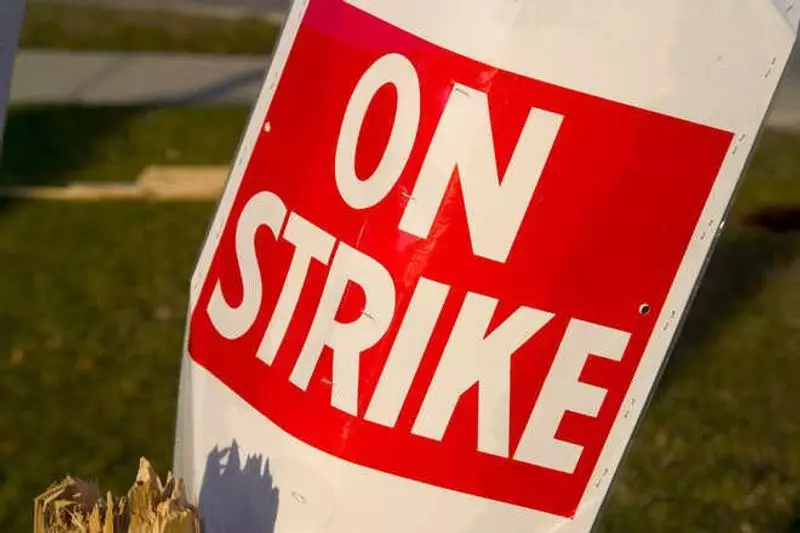
The smooth functioning of animal healthcare and livestock services in Mohali district has come to a grinding halt. A large group of veterinary doctors, employed on a contractual basis, have gone on an indefinite strike. Their primary demand is the regularization of their jobs and an improvement in their service conditions.
Core Demands Behind the Protest
The protesting veterinarians are not directly employed by the Punjab government. Instead, they work for a society that operates under the state's Animal Husbandry Department. This arrangement, they argue, leaves them in a precarious position with inadequate pay and no job security. The strike action was initiated to press the government to absorb them into permanent positions with the benefits enjoyed by regular state employees.
The strike began on Tuesday, May 21, 2024, and has shown no signs of abating. The veterinarians have made it clear that their protest will continue until their demands are met by the concerned authorities.

Critical Services Brought to a Standstill
The impact of the strike is severe and widespread. Several key facilities that rely on these veterinary professionals have been forced to suspend operations. This includes the Regional Artificial Insemination Centre in Sector 68, the Veterinary Hospital in Phase 1, and the Regional Disease Diagnostic Laboratory.
The closure of these centres has a cascading effect on the region's agricultural and dairy community. Essential services that are now unavailable include:
- Artificial insemination for cattle, a crucial service for improving livestock quality.
- Routine vaccinations and disease prevention programs.
- Diagnosis and treatment of sick animals.
- Other animal husbandry support services for farmers.
This disruption poses a significant threat to animal health and welfare, and could potentially lead to economic losses for farmers dependent on their livestock.
Official Response and Stalled Negotiations
Officials from the Animal Husbandry Department have confirmed the strike and its disruptive consequences. They acknowledge that work at the mentioned centres has been severely affected. While the department is aware of the protesters' demands, a swift resolution seems elusive.
Department representatives stated that the matter of regularization is not within their immediate power to decide. The issue requires approval and a policy decision from the higher echelons of the Punjab government. This has created a deadlock, with striking employees waiting for the government to act, and the government's machinery yet to provide a concrete solution.
As the stalemate continues, farmers and animal owners in Mohali are left in the lurch, unable to access vital veterinary care. The strike underscores the broader challenges faced by contractual workers in essential services and highlights the vulnerability of public service systems reliant on non-permanent staff. The onus is now on the state administration to intervene and find a prompt resolution to restore these critical animal healthcare services.