Wayanad's Recurring Landslide Tragedy: A History of Destruction
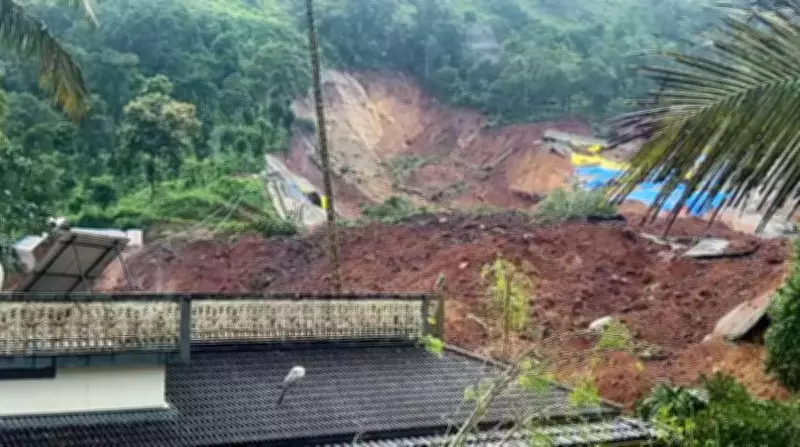
Wayanad district in Kerala has a tragic history of landslides, with recent events once again bringing devastation to the region. The hilly terrain, combined with heavy monsoon rainfall, has made the area prone to frequent landslides. According to geological experts, the region's fragile ecosystem and human interventions have exacerbated the risk, leading to recurring disasters that claim lives and damage property.
Why Landslides Keep Striking Wayanad
The primary reasons for Wayanad's vulnerability include its location in the Western Ghats, a biodiversity hotspot with steep slopes and loose soil. Deforestation for agriculture, particularly for cash crops like tea and coffee, has reduced tree cover that once held the soil together. Additionally, unregulated construction and quarrying have further destabilized the slopes. The India Meteorological Department (IMD) notes that extreme rainfall events, intensified by climate change, trigger landslides in already fragile areas.
According to a 2023 study by the Kerala State Disaster Management Authority (KSDMA), Wayanad experienced over 50 landslides in the past decade, with the most severe occurring in 2019 and 2024. The 2019 landslide in Puthumala killed 17 people and displaced hundreds. The recent 2024 landslides have claimed at least 100 lives, with rescue operations ongoing.

Impact on Communities and Environment
The landslides have devastated local communities, destroying homes, roads, and farmlands. The KSDMA report states that over 10,000 people have been displaced in the last five years due to landslides in Wayanad. The environmental impact includes loss of biodiversity, soil erosion, and contamination of water sources. Experts warn that without strict regulation of land use and reforestation efforts, the frequency of landslides will increase.
"The situation is alarming. We need immediate action to ban unscientific mining and promote afforestation in sensitive areas," said Dr. S. Sreekumar, a geologist at the University of Kerala. He emphasized that early warning systems and community preparedness are crucial to reducing casualties.
Government Response and Future Measures
The Kerala government has announced a compensation package of ₹5 lakh for the families of victims and ₹1 lakh for the injured. The National Disaster Response Force (NDRF) has been deployed for rescue operations. Long-term measures include a ban on new construction in landslide-prone zones and a comprehensive mapping of vulnerable areas using satellite imagery. The state has also sought central assistance for a climate-resilient infrastructure project worth ₹500 crore.
However, critics argue that past promises have not been fully implemented. Environmental activist K. R. Gowri said, "Every year we see the same pattern: landslides, deaths, and then temporary relief. We need a permanent solution that involves strict enforcement of environmental laws."
Conclusion: Need for Sustainable Development
Wayanad's landslide history underscores the urgent need for sustainable development in ecologically sensitive regions. Balancing economic activities like agriculture and tourism with environmental conservation is critical. As climate change intensifies extreme weather, proactive measures such as reforestation, regulated construction, and community-based disaster management are essential to prevent future tragedies.